
UPPER GI SURGERY · OESOPHAGUS & STOMACH
Upper GI surgery — for reflux, hiatus hernia & swallowing disorders
Dr Ameet Kumar is an AIIMS-trained GI & HPB surgeon, FRCS (Glasgow), with 4,500+ surgeries to his name. He treats conditions of the food-pipe (oesophagus) and stomach — including reflux, hiatus hernia and swallowing problems — using keyhole (minimally-invasive) surgery where suitable — with da Vinci robotic assistance also available for eligible cases.
4,500+
Surgeries
25+
Years Experience
56
Peer-reviewed Publications
FRCS (Glasgow)
AIIMS-trained GI and HPB Surgeon
What upper GI surgery covers
"Upper GI" refers to the upper part of the digestive tract — the oesophagus (food-pipe) and the stomach. Surgery in this area is needed when these organs are affected by functional problems (the mechanics of swallowing or digestion), structural problems (a hiatus hernia or motility disorder), or benign and early disease (polyps, ulcers, or early tumours). Dr Ameet Kumar brings the same minimally-invasive expertise he applies to complex cancer work to these conditions — meaning most patients can expect keyhole surgery, a shorter hospital stay, and a faster recovery.
Conditions treated
For malignant upper GI disease, see the dedicated pages for stomach cancer and oesophageal cancer on the GI Cancer Surgery section.
Procedures offered
Experience & approach
With 4,500+ surgeries across GI and HPB surgery, Dr Ameet Kumar operates at high volume — and high-volume surgeons consistently achieve better outcomes. For upper GI conditions, he takes a minimally-invasive approach wherever safe to do so, and believes in honest, unhurried counselling: the right operation for the right patient. For conditions that fall between surgery and gastroenterology, he coordinates with gastroenterologists and other specialists through a multi-disciplinary team (MDT) approach to ensure nothing is missed.
Why keyhole (minimally-invasive) surgery?
Frequently asked questions
Most people with acid reflux (GERD) are well controlled on proton-pump inhibitors (PPIs such as omeprazole or pantoprazole). Surgery becomes an option when symptoms persist despite optimal medical treatment, when you cannot tolerate long-term medication, or when there is a significant mechanical problem such as a large hiatus hernia. The decision is always made jointly after a full assessment — including endoscopy and, where appropriate, pH-manometry studies. Surgery is not the first choice; it is the right choice when medicine is not enough.
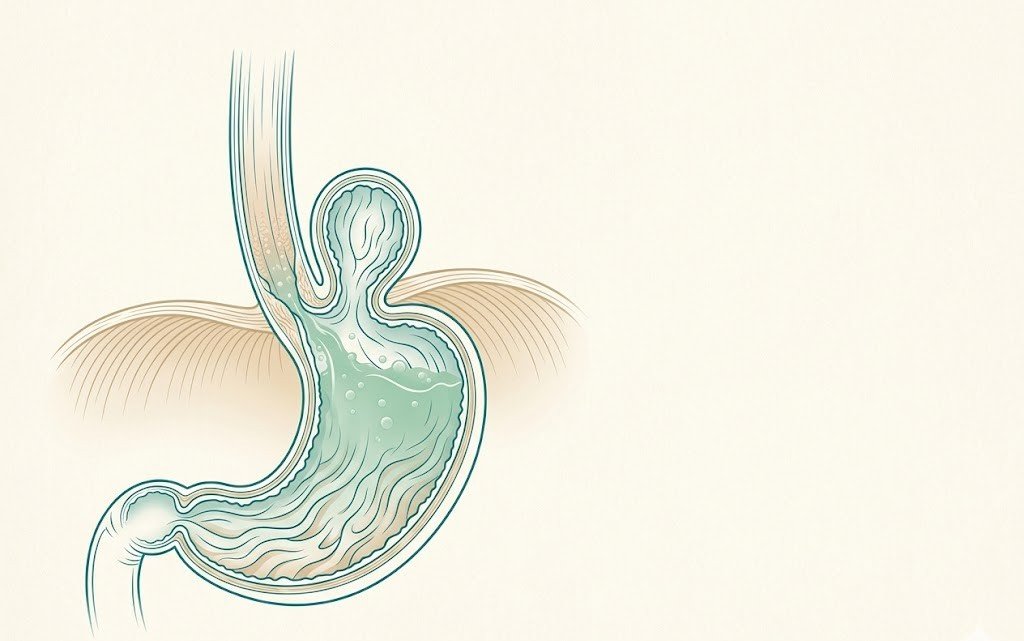
Fundoplication is the standard laparoscopic (keyhole) operation for GERD and hiatus hernia. The surgeon wraps the upper part of the stomach (the fundus) around the lower end of the food-pipe to create a valve that prevents acid from refluxing upward. A Nissen fundoplication wraps 360°; a Toupet fundoplication wraps 270° and is preferred in patients with weaker oesophageal muscle function. The operation is done through small keyhole incisions, typically takes 60–90 minutes, and most patients go home the following day.
A hiatus hernia occurs when part of the stomach slides up through the opening (hiatus) in the diaphragm into the chest cavity. Small sliding hernias are very common and often managed with medication alone. Repair is recommended when the hernia is large, when it causes significant reflux that does not respond to medication, or when the stomach has rotated (a para-oesophageal or rolling hernia) — because these carry a risk of obstruction or strangulation. Laparoscopic repair restores normal anatomy and is usually combined with a fundoplication.
Achalasia is a motility disorder in which the lower oesophageal sphincter fails to relax properly during swallowing, causing progressive difficulty swallowing (dysphagia) and sometimes regurgitation. It is diagnosed on manometry and barium swallow. The main surgical treatment is a Heller myotomy — a laparoscopic operation that cuts the tight sphincter muscle at the lower end of the food-pipe. This is almost always combined with a partial fundoplication (typically a Toupet) to prevent reflux after the myotomy. Most patients notice a significant improvement in swallowing from early after surgery.
Yes — the vast majority of upper GI operations Dr Ameet Kumar performs are done laparoscopically (keyhole), including anti-reflux surgery, hiatus hernia repair, Heller myotomy for achalasia, and most gastric procedures. Open surgery is reserved for specific situations where keyhole is not appropriate — this is discussed openly during consultation. Keyhole surgery means smaller wounds, less pain, lower infection risk, and a faster return to normal life. For eligible fundoplication and hiatus hernia repairs, da Vinci robotic assistance is also available — adding 3D vision and wristed instruments for precise work around the food-pipe and diaphragm. Learn about robotic surgery →
Recovery depends on the specific operation. Laparoscopic anti-reflux surgery (fundoplication) and hiatus hernia repair: most patients go home the next day and return to desk work within 1–2 weeks; diet is soft for the first 4–6 weeks. Heller myotomy for achalasia: similar timeline, with dietary progression over 2–4 weeks. Gastric resections: hospital stay 3–5 days; return to normal activity within 3–4 weeks. All patients receive detailed written recovery instructions and are supported by Dr Kumar’s team throughout. Individual timelines vary — your specific situation will be discussed during consultation.
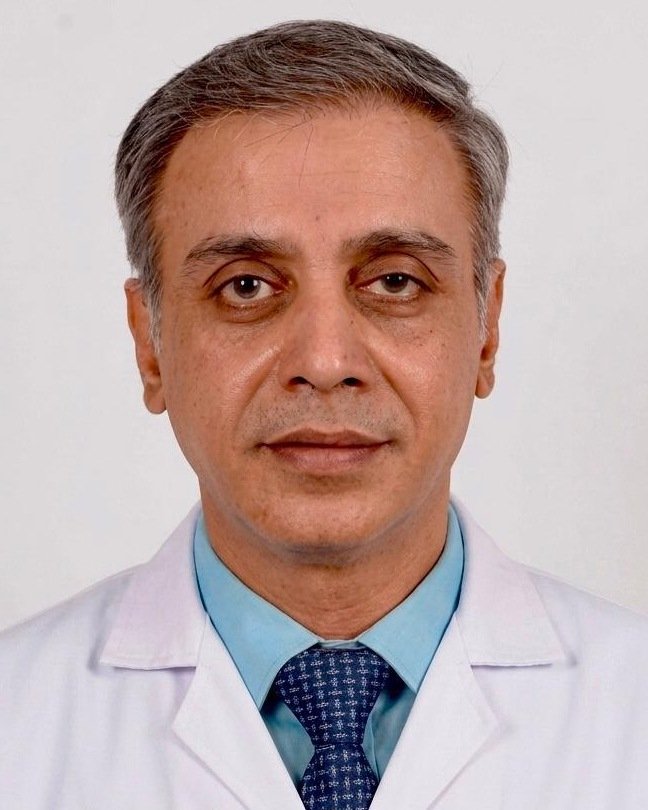
Written & medically reviewed by Dr Ameet Kumar, M.Ch (GI Surgery, AIIMS), FRCS (Glasgow), FAIS — Gastrointestinal, HPB, Laparoscopic & Robotic Surgeon. Last updated: September 2026.
Troubled by reflux, a hiatus hernia, or difficulty swallowing? Let's talk it through.
If you’ve been troubled by persistent reflux, a hernia, or difficulty swallowing — or you’d simply like an experienced surgeon’s honest view on your reports — get in touch. Book a consultation with Dr Ameet Kumar at Sakra World Hospital, Bengaluru, or message his team on WhatsApp.
Call 9606028116