BARIATRIC · METABOLIC · WEIGHT-LOSS SURGERY
Weight-loss surgery for your health — done with care and without judgement
If you’ve struggled with your weight for years, the problem was never your willpower. Bariatric and metabolic surgery is a proven medical treatment that helps you lose weight and, just as importantly, can improve or even reverse conditions like type-2 diabetes, high blood pressure and fatty liver. Dr Ameet Kumar is a bariatric surgeon in Bangalore — AIIMS-trained, FRCS (Glasgow), with over 4,500 surgeries across 25 years.
4,500+
Surgeries
25+
Years Experience
56+
Publications
FRCS (Glasgow)
AIIMS-trained Bariatric Surgeon
What bariatric and metabolic surgery really is
Carrying extra weight isn’t simply about how you look. For many people it’s a long-term medical condition — one that’s tied closely to the body’s hormones and metabolism, and one that diet and exercise alone often can’t fix, no matter how hard you try. That’s not a personal failing. It’s biology.
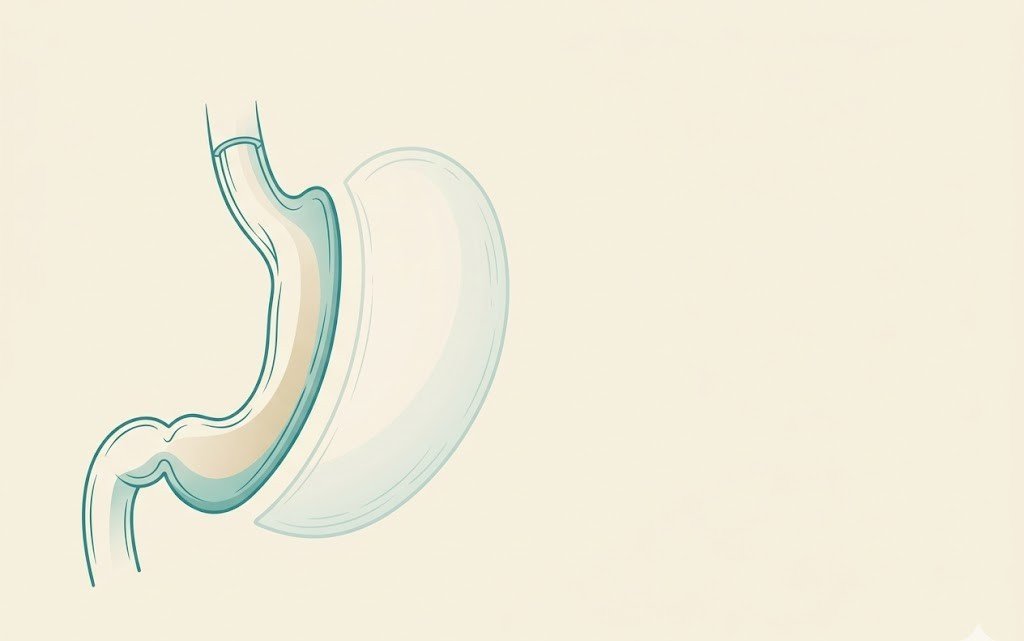
Bariatric surgery (also called weight-loss surgery) gently changes the stomach so you feel full sooner and your body handles food and blood sugar differently. We call it metabolic surgery too, because its benefits go well beyond the number on the scale. For many people it improves — and sometimes completely reverses — type-2 diabetes, high blood pressure, fatty liver, sleep apnoea, joint pain and PCOS. Most patients are able to reduce or stop several of their daily medicines.
It helps people who have been living with significant obesity, especially when it’s already affecting their health, and who haven’t been able to keep weight off through other means. Surgery is a tool, not a magic switch — and Dr Kumar will only ever recommend it when he genuinely believes it’s the right and safe choice for you.
Conditions this surgery can help
Bariatric and metabolic surgery treats far more than weight. By improving the body’s metabolism, it often eases the conditions that come alongside obesity:
- Obesity and long-term weight management — sustained weight reduction
- Type-2 diabetes — often improved or put into remission, with fewer medicines
- Fatty liver disease — reduced fat and inflammation in the liver
- PCOS (polycystic ovary syndrome) — more regular cycles and improved fertility for some women
- High blood pressure, high cholesterol, obstructive sleep apnoea and joint pain — frequently improved as weight comes down
The operations Dr Kumar performs
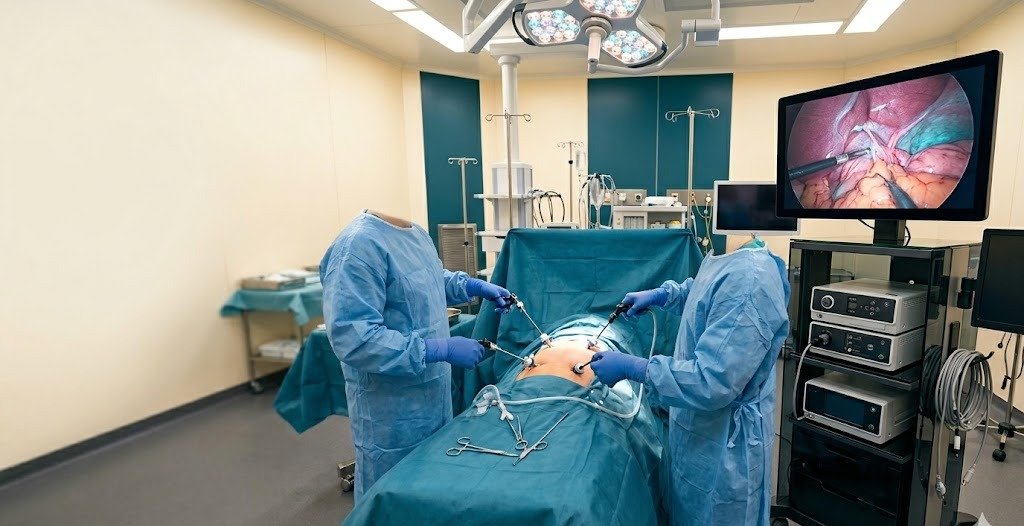
Every one of these is done by keyhole (laparoscopic) or da Vinci robotic surgery — through a few small cuts rather than one large one. Which operation suits you best depends on your weight, your health conditions and your eating patterns, and Dr Kumar will talk you through it in plain language. In 2026, Dr Kumar added the da Vinci robotic surgical system to his bariatric practice, offering robotic-assisted sleeve gastrectomy and gastric bypass for eligible patients. Learn about robotic surgery →
Sleeve Gastrectomy (LSG)
The most common bariatric procedure — a slimmer, sleeve-shaped stomach that holds less and reduces hunger hormones.
Gastric Bypass (Roux-en-Y / RYGB)
Reshapes the stomach and small intestine — especially helpful for diabetes and acid reflux.
Mini / One-Anastomosis Gastric Bypass (MGB / OAGB)
A simpler form of bypass with strong results for weight and diabetes control.
Revision / Redo Bariatric Surgery
A second operation for people whose earlier weight-loss surgery hasn’t worked as hoped or has caused problems.
Experienced, careful hands
Bariatric and metabolic surgery is one of Dr Kumar’s three core areas of practice. He trained in this field under proctorship at one of India’s premier bariatric centres, learning under Dr Shashank Shah, a globally respected name in weight-loss surgery. He went on to be part of a successful, well-established bariatric and metabolic surgery programme within the Armed Forces.
His interest goes beyond the operating theatre. Dr Kumar has published work in this field, including a study on how sleeve gastrectomy improved PCOS in a patient living with severe obesity — a reminder of how deeply weight and the body’s hormones are linked.
- AIIMS-trained · FRCS (Glasgow) · M.Ch GI Surgery
- 4,500+ surgeries · 25+ years
- Trained under Dr Shashank Shah — globally respected in bariatric surgery
- Published bariatric research including sleeve gastrectomy and PCOS
Why keyhole surgery matters here
Dr Kumar performs all bariatric procedures laparoscopically or with the da Vinci robotic system — through a few small keyhole incisions. For someone carrying extra weight, this approach is especially valuable:
- Less pain and a gentler recovery
- Smaller scars instead of one long wound
- A lower chance of wound infection and hernias — a real concern after open surgery
- A shorter hospital stay and a quicker return to work and family life
- A clearer, magnified view for the surgeon, supporting a safer, more precise operation
Could this be right for me?
There’s no single answer that fits everyone, and you don’t need to work it out alone. As a general guide, weight-loss surgery is usually considered when:
- Your BMI is 37.5 or above, or
- Your BMI is 32.5 or above and you also have a weight-related health problem such as type-2 diabetes, high blood pressure, fatty liver or sleep apnoea, and
- You’ve already made honest efforts to lose weight through diet and lifestyle without lasting success
These are only starting points. The right decision depends on your full health picture, your other conditions and your goals — which is exactly what a proper consultation is for. Good bariatric care is also a team effort, not just an operation. Alongside Dr Kumar, your journey involves dietitians and other specialists, both before and well after surgery. Long-term follow-up, healthy eating habits and vitamin supplements are an important part of staying well. Dr Kumar will make sure you understand all of this clearly before you decide anything.
Frequently asked questions
No. Bariatric surgery is a recognised medical treatment for obesity and the health conditions linked to it — diabetes, high blood pressure, fatty liver, sleep apnoea and PCOS among them. The goal is your long-term health, not your appearance. Any change in how you look is a welcome side effect, not the purpose.
Modern keyhole bariatric surgery is well-established and, in experienced hands, has a strong safety record. Like any operation it carries some risks, and Dr Kumar will explain these honestly and clearly so you can make a confident, informed choice. Careful patient assessment, an experienced team and good follow-up are what keep it safe.
For many people, yes — often significantly. A large number of patients see their blood sugar improve enough to reduce or stop diabetes medicines, sometimes within weeks. This is why we call it metabolic surgery. Results vary from person to person, which is why Dr Kumar won’t promise a specific outcome until he has assessed you.
Because the surgery is done by keyhole, you’ll have only a few small cuts rather than one big wound. Most people are up and walking the same or next day, go home within a few days, and return to light routine over the following weeks. Dr Kumar and the team will guide your recovery step by step.
Yes — and this part really matters. Surgery is a powerful tool, but it works best alongside healthy eating habits, regular follow-up and daily vitamin supplements. The team supports you through all of it, so you’re never figuring it out on your own.
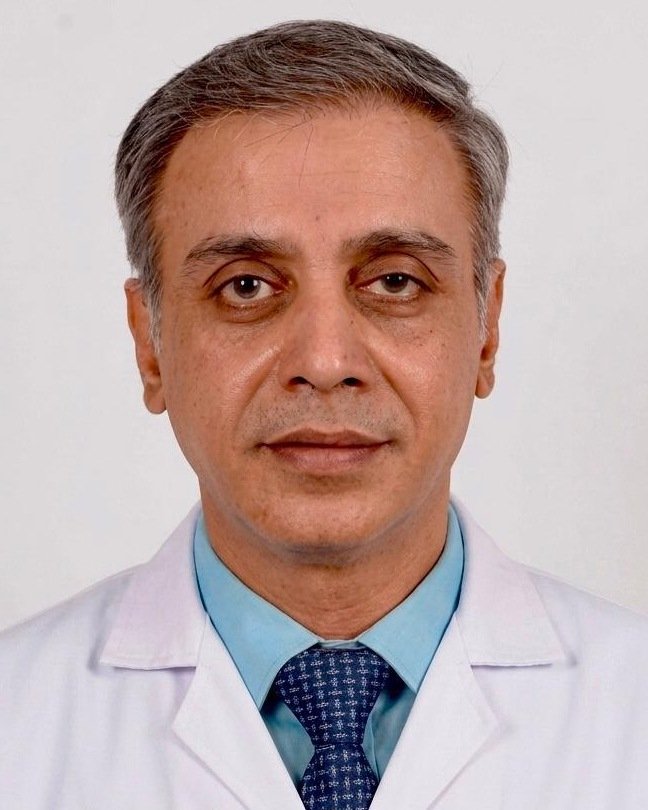
Written & medically reviewed by Dr Ameet Kumar, M.Ch (GI Surgery, AIIMS), FRCS (Glasgow), FAIS — Gastrointestinal, HPB, Laparoscopic & Robotic Surgeon. Last updated: September 2026.
Let’s talk — honestly and without judgement
If you’ve been carrying extra weight and worrying about your health, book a consultation with Dr Ameet Kumar. He’ll listen, explain your options clearly, and help you understand whether surgery is the right path for you — with no pressure either way.
Consultant — Sakra World Hospital, Devarabeesanahalli, Bengaluru Call 9606028116.