
Surgical Oncology · GI Cancer Surgery
Cancer surgery done precisely, planned carefully, explained honestly
When a digestive (GI) cancer is found, the surgery has to be right the first time. Dr Ameet Kumar is a GI cancer surgeon in Bangalore — AIIMS-trained, FRCS (Glasgow), with over 4,500 surgeries across 25 years — treating cancers of the stomach, colon, rectum, food-pipe, gallbladder and pancreas.
4,500+
Surgeries
25+
Years Experience
56
Publications
FRCS (Glasgow)
AIIMS-trained GI Cancer Surgeon
GI Cancer Surgery — What It Means for You
A diagnosis of cancer in the digestive system is frightening — and the days that follow are full of unfamiliar words, scans and decisions. Dr Kumar’s job is to make this part clear.
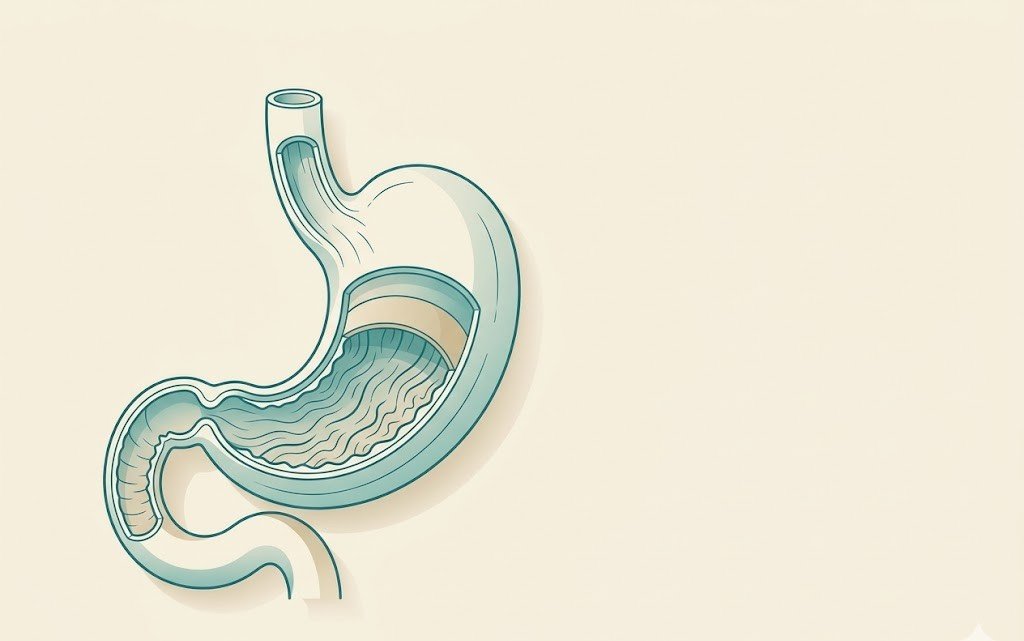
GI cancers are cancers of the digestive tract and the organs around it: the stomach, the large bowel (colon and rectum), the food-pipe (oesophagus), the gallbladder and the pancreas. For most of these, surgery to remove the cancer completely is the single most important step toward a cure — and it works best when it’s part of a properly planned treatment, alongside your cancer physician and, where needed, chemotherapy or radiotherapy.
What that planning means in practice: getting the diagnosis and staging right, removing the tumour with a clear margin and the correct lymph nodes, and doing it in a way that gives you the best chance of recovery with the least disruption to your life. Many of these operations can now be done through small keyhole cuts rather than one large incision — and where open surgery is genuinely safer or more thorough, Dr Kumar does it that way, and tells you why. Surgery is only ever advised when it’s truly the right thing for you.
Conditions Treated
Dr Kumar treats the full range of digestive-system cancers. Click any condition to understand it in plain language — symptoms, tests, and what treatment involves.
Procedures Offered
Each operation below is one Dr Kumar performs regularly — using advanced laparoscopic (keyhole) or da Vinci robotic surgery wherever it’s safe and appropriate, and open surgery where that serves you better. Learn about robotic surgery →
Not sure which applies to you? Book a consultation and we’ll go through your reports together.
Dr Kumar’s Experience & Evidence
GI cancer surgery isn’t a sideline of Dr Kumar’s practice — it’s a core focus, and has been for over two decades.

Why Minimally Invasive (Keyhole) Cancer Surgery
For a long time, cancer surgery meant one large open incision — and a long, painful recovery. For many patients, that’s no longer necessary.
When your cancer can be safely removed through small keyhole cuts — laparoscopically or with the da Vinci robotic system — the benefits are real:
Here’s the honest part: keyhole is not automatically better for everyone. The thoroughness of the cancer operation — removing the tumour completely, with the right margins and lymph nodes — always comes first. There are situations where open surgery is the safer, more complete choice, and in those cases that’s exactly what Dr Kumar will recommend, and explain why. The approach should fit your cancer, not the other way around.
Frequently Asked Questions
Not always, and not always first. For many digestive cancers, surgery offers the best chance of a cure — but the right plan depends on the type of cancer and its stage. Sometimes chemotherapy or radiotherapy is given before surgery to shrink the tumour, sometimes after, and occasionally surgery isn’t the right path at all. Dr Kumar will give you an honest read on your reports and tell you what genuinely helps.
Yes — for many stomach, colon, rectal, food-pipe and pancreatic cancers, the operation can be done through small keyhole cuts — laparoscopically or with the da Vinci robotic system — with the same thoroughness as open surgery. Dr Kumar was among the first in the Armed Forces Medical Services to perform these major cancer operations laparoscopically. Where open surgery is safer or more complete for your case, he will recommend that instead and explain the reasoning.
Cancer treatment is best not rushed and not delayed. Once the diagnosis and staging are clear — and any pre-surgery chemotherapy or radiotherapy is complete — the operation is planned at the right time. The first step is a proper review of your scans and reports, which can usually be done quickly.
Most patients return to a near-normal life. After surgery on the stomach or food-pipe, eating habits change for a while — smaller, more frequent meals at first — and you’re supported through this by a clear recovery plan and dietary guidance. Many of Dr Kumar’s patients are back to comfortable eating and daily routines within a few weeks to months.
Absolutely — and you should feel free to. If you’ve been advised to have cancer surgery and want an experienced surgeon’s honest view on your reports and scans, Dr Kumar offers in-person and online consultations. A second opinion costs you little and can give you real peace of mind. Request a second opinion
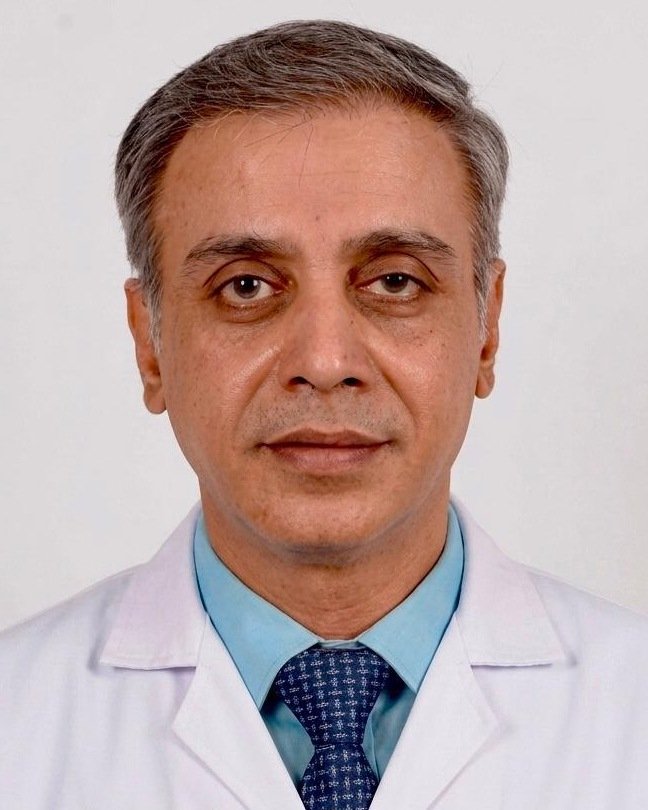
Written & medically reviewed by Dr Ameet Kumar, M.Ch (GI Surgery, AIIMS), FRCS (Glasgow), FAIS — Gastrointestinal, HPB, Laparoscopic & Robotic Surgeon. Last updated: September 2026.
Let’s look at your reports together
A cancer diagnosis is hard enough without uncertainty about what comes next. Book a consultation with Dr Ameet Kumar, or message his team on WhatsApp — we’ll explain your diagnosis clearly and talk you through your best options.
Consultant — Sakra World Hospital, Devarabeesanahalli, Bengaluru