
SLEEVE GASTRECTOMY · GASTRIC SLEEVE · WEIGHT-LOSS SURGERY
Sleeve gastrectomy — keyhole weight-loss surgery, done with care
A sleeve gastrectomy (often called a gastric sleeve, or simply weight-loss surgery) gently reshapes your stomach so you feel full sooner and feel hungry less often. It’s one of the most common and trusted bariatric operations in the world — and for many people it does far more than reduce weight, improving conditions like type-2 diabetes, blood pressure and fatty liver. Dr Ameet Kumar performs it by keyhole surgery in Bangalore — AIIMS-trained, FRCS (Glasgow), with over 4,500 surgeries across 25 years.
4,500+
Surgeries
25+
Years Experience
56
Publications
FRCS (Glasgow)
AIIMS-trained GI Surgeon
What a sleeve gastrectomy actually does
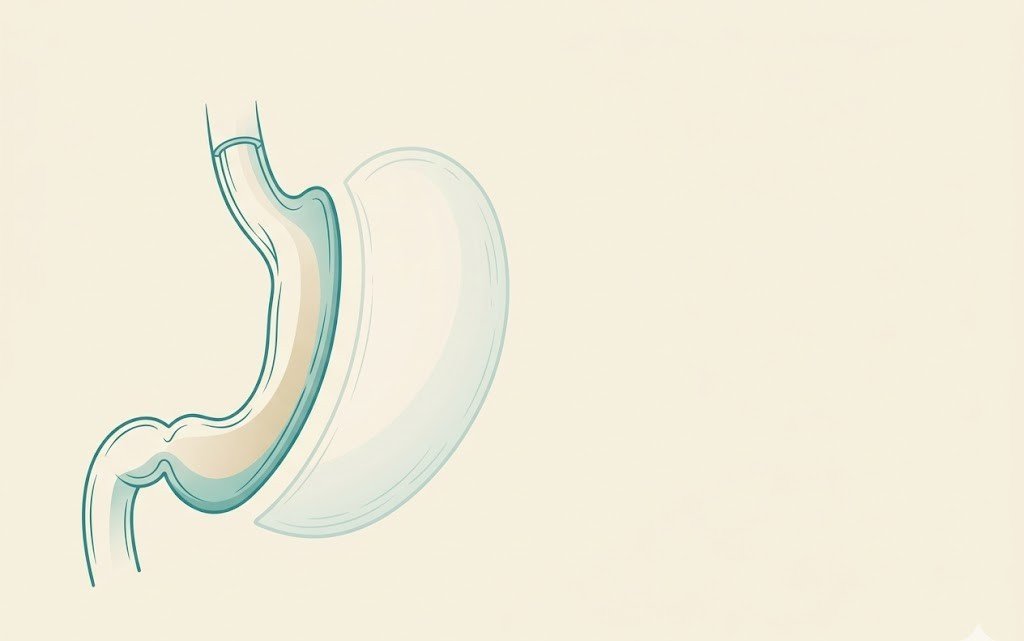
During a sleeve gastrectomy, the surgeon removes a large part of the stomach and shapes what remains into a slim, sleeve-like tube — roughly the size and shape of a banana. Nothing is rerouted or bypassed; the stomach simply becomes much smaller. There are no implants and nothing left inside you.
That smaller stomach works in two ways. First, it holds less, so you feel comfortably full after modest meals and naturally eat less. Second — and this surprises many people — the part of the stomach that’s removed is where much of the body’s main hunger hormone is made. With less of that hormone, many people feel genuinely less hungry, not just fuller.
The benefits go beyond the scale, which is why this is also called metabolic surgery. By changing how your body handles food and blood sugar, a sleeve gastrectomy often improves — and sometimes reverses — type-2 diabetes, high blood pressure, fatty liver, sleep apnoea and joint pain. Many people are able to reduce or stop several daily medicines. It isn’t a quick fix or a cosmetic procedure — it’s a tool to help you regain your health, and Dr Kumar will only recommend it when he genuinely believes it’s the right and safe choice for you.
Conditions a sleeve gastrectomy can help
A sleeve gastrectomy treats far more than weight alone. By improving the body’s metabolism, it often eases the conditions that travel alongside significant obesity:
It’s one of several operations within Bariatric & Metabolic Surgery. Which one suits you best depends on your weight, your health conditions and your eating patterns — something Dr Kumar will talk through with you in plain language.
Experienced, careful hands
Dr Kumar performs every sleeve gastrectomy by keyhole (laparoscopic) surgery — through a few small cuts rather than one large wound. For someone carrying extra weight this approach is especially valuable: it usually means less pain, smaller scars, a lower chance of wound infection and hernias, a shorter hospital stay and a quicker return to normal life.
He trained in bariatric and metabolic surgery under proctorship at one of India’s premier centres, learning under Dr Shashank Shah, a globally respected name in weight-loss surgery. He went on to be part of a successful, well-established bariatric and metabolic surgery programme — so a sleeve gastrectomy with Dr Kumar sits within a complete, experienced programme of care, not a one-off operation. His interest extends beyond the theatre, with published bariatric research, including work on how sleeve gastrectomy improved PCOS in a patient living with severe obesity.
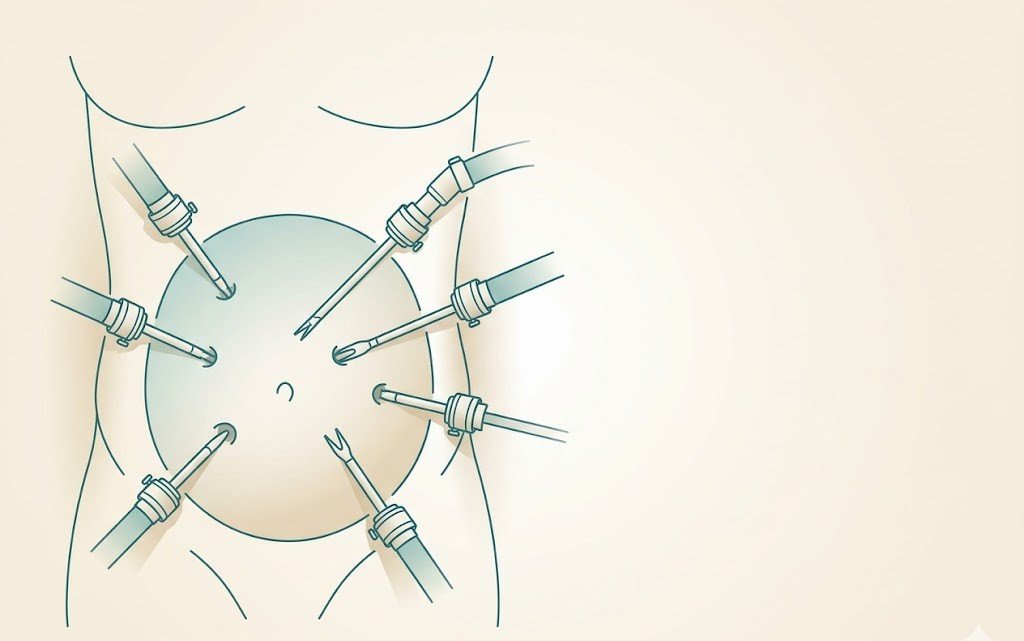
da Vinci Robotic Surgery
Now also available with robotic assistance
Dr Kumar now also offers sleeve gastrectomy using the da Vinci robotic surgical system. Its 3D vision and wristed instruments can make the operation more precise and comfortable to perform in patients with a higher BMI or in revision surgery, with the same small keyhole incisions and quick recovery. Open, laparoscopic and robotic approaches are all available — Dr Kumar will recommend whichever gives you the safest, most complete result for your case.
Your journey, step by step
1. Assessment & preparation
Good bariatric care is a team effort, not just an operation. Before anything is decided, Dr Kumar assesses your full health picture, and you’ll meet a dietitian and other specialists as needed. You’ll have blood tests and scans, and your existing conditions and medicines are reviewed and optimised. In the run-up to surgery, you’ll usually follow a special diet for a couple of weeks that shrinks the liver slightly and makes the keyhole operation safer.
2. The keyhole operation
The surgery is done under general anaesthetic, so you’re fully asleep. Dr Kumar makes a few small keyhole incisions in the abdomen, removes the larger part of the stomach and shapes the remaining portion into a slim sleeve, sealing the new edge carefully. The operation typically takes between one and two hours.
3. Hospital stay
Most people stay in hospital for a couple of nights. You’ll be encouraged to get up and walk soon after surgery, which helps recovery and lowers the risk of complications. Pain is usually manageable and settles quickly with keyhole surgery, and the team keeps a close eye on you throughout.
4. Recovery & diet stages
Eating restarts gradually and in stages — beginning with clear fluids, then moving to liquids, then soft and pureed foods, before slowly returning to small, healthy solid meals over the following weeks. The dietitian guides you through each stage. Most people return to light routine within a couple of weeks, with heavier activity resuming a little later as you’re advised.
The benefits — and an honest word on risk
For the right person, a sleeve gastrectomy can be life-changing. The benefits commonly include:
Like any operation, it carries some risks too, and Dr Kumar believes you deserve to hear them plainly. These can include the usual risks of major surgery and anaesthesia, bleeding, infection, a leak from the staple line, and — less commonly — reflux or heartburn that may need treatment. Long term, the surgery changes how you absorb some nutrients, which is why lifelong vitamins and follow-up matter. Serious complications are uncommon in experienced hands with careful assessment and a good team — and Dr Kumar will go through your individual risks honestly before you decide anything. He won’t promise a specific number on the scale, because results genuinely vary from person to person.
Recovery and the years that follow
Recovery from a sleeve gastrectomy is steady rather than sudden. Most people are up and walking the same or next day, home within a few days, and back to light daily routine within a couple of weeks, with fuller activity over the weeks after that as Dr Kumar advises. Weight comes off gradually over the months that follow, not overnight.
What matters just as much as the operation is the long-term care around it. A sleeve gastrectomy works best alongside healthy eating habits, regular follow-up and daily vitamin and mineral supplements, which you’ll need to continue for life. Routine check-ups and blood tests help keep you well, catch any deficiencies early and support you in keeping the weight off. You won’t be figuring any of this out alone — Dr Kumar and the team stay with you well beyond the day of surgery.
Cost and insurance
The cost of a sleeve gastrectomy depends on your individual health, the length of your hospital stay and the care you need before and after surgery, so it’s best discussed once Dr Kumar has assessed you. Bariatric and metabolic surgery is recognised as a medical treatment for obesity and its related conditions, and many health insurance policies now provide cover for it, subject to your policy’s terms and eligibility. Dr Kumar’s team can explain what to expect and help you understand your insurance and approval process clearly, with no surprises. To talk through cost and cover for your situation, call 9606028116 or message the team on WhatsApp.
Frequently asked questions
This varies a lot from person to person, so any honest surgeon will avoid promising you a specific number. Most people lose a significant amount of weight steadily over the months after surgery, and the results tend to last when the operation is paired with healthy eating, regular follow-up and an active routine. How much you lose depends on your starting health, your other conditions and the habits you build afterwards — Dr Kumar will give you a realistic, individual picture once he has assessed you, rather than a one-size-fits-all figure.
For many people, yes — often significantly, which is why this is also called metabolic surgery. A large number of patients see their blood sugar improve enough to reduce or stop diabetes medicines, sometimes within weeks of surgery. Results vary from person to person, and improvement isn’t guaranteed, so Dr Kumar won’t promise a specific outcome until he has assessed you properly and looked at your full health picture.
No — a sleeve gastrectomy is not reversible, because part of the stomach is permanently removed rather than rerouted or banded. That’s an important thing to understand before you decide, and it’s exactly why Dr Kumar takes time over the assessment and only recommends surgery when he’s confident it’s the right choice for you. If a different approach ever suits you better in future, other bariatric procedures may still be possible — something he’ll explain honestly.
Yes, and this part really matters. After a sleeve gastrectomy your smaller stomach absorbs some vitamins and minerals differently, so daily supplements become a lifelong habit, alongside regular blood tests to check your levels. It’s a simple routine once you’re used to it, and the team supports you through it. Taking your vitamins and keeping up your follow-up is one of the most important things you can do to stay well for years to come.
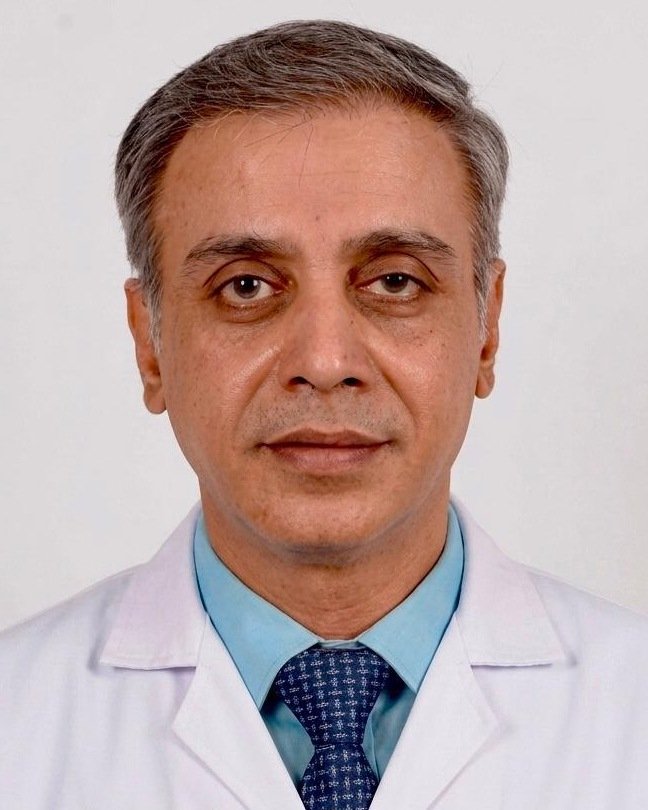
Written & medically reviewed by Dr Ameet Kumar, M.Ch (GI Surgery, AIIMS), FRCS (Glasgow), FAIS. Last updated: June 2026.
Let’s talk it through — honestly and without judgement
If you’ve been carrying extra weight and worrying about your health, book a consultation with Dr Ameet Kumar. He’ll listen, assess you properly, and explain whether a sleeve gastrectomy is the right path for you — in plain language, with no pressure either way.