
STOMACH CANCER · SURGICAL ONCOLOGY · KEYHOLE WHERE SUITABLE
A stomach cancer diagnosis — met with clear answers and skilled surgery
Being told you have stomach cancer is frightening, and the days that follow can feel overwhelming. But there is real reason for hope: when it's found and treated properly, stomach cancer can often be cured. Dr Ameet Kumar is an AIIMS-trained GI-oncology surgeon in Bangalore — FRCS (Glasgow), with over 4,500 surgeries across 25 years — and he'll explain exactly what you're facing and what can be done about it.
4,500+
Surgeries
25+
Years Experience
56+
Publications
FRCS (Glasgow)
AIIMS-trained GI & HPB Surgeon
What's actually going on
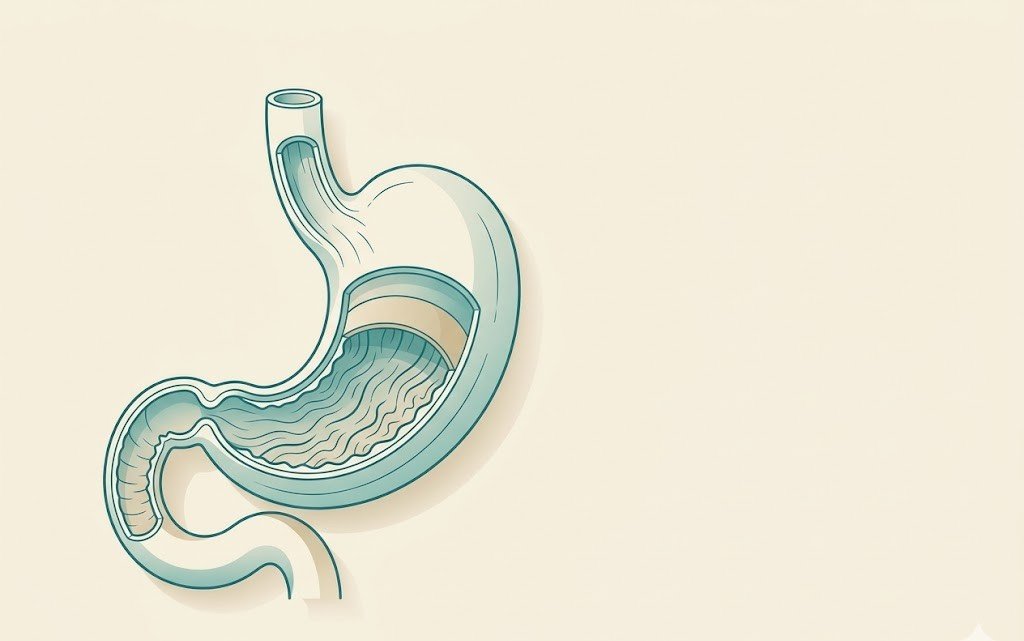
Your stomach is a muscular pouch in the upper part of your belly. It receives the food you swallow, mixes it with digestive juices, and passes it on to the bowel — a key step in turning a meal into the nourishment your body runs on.
Stomach cancer, also called gastric cancer, happens when cells in the lining of the stomach begin to grow out of control and form a tumour. Most stomach cancers start in the innermost lining and grow slowly, often over years. Because the early changes rarely cause obvious symptoms, the cancer can be present for a while before it makes itself known — which is exactly why new or persistent stomach symptoms deserve to be checked properly rather than brushed off.
The encouraging part: when stomach cancer is caught and treated while it's still confined to the stomach and nearby lymph nodes, surgery offers a genuine chance of cure. Even when it's more advanced, modern treatment can do a great deal to control the disease and keep you well.
The signs worth taking seriously
Early stomach cancer is quiet, and its first symptoms often look like ordinary indigestion — which is why they're so easy to dismiss. Most people with these symptoms do not have cancer. But when they're new, persistent, or getting worse, they should always be assessed promptly, because finding any problem early is what gives treatment its best chance.
Please get checked — don't wait it out — if you have:
If you're vomiting blood or passing black, tarry stools, please contact Dr Kumar's team on 9606028116 or go to the nearest emergency department without delay. For the milder but persistent symptoms, a simple test — an endoscopy — can quickly tell you whether there's anything to worry about, and most often it's reassuring.
Why stomach cancer develops
In most cases there's no single cause, and no one is to blame for it. Stomach cancer usually develops from a slow build-up of changes in the stomach lining over many years, and several things are known to raise the risk:
Knowing your risk factors is useful, but stomach cancer can appear without any of them — which is why paying attention to persistent symptoms matters more than ticking boxes on a risk list.
How stomach cancer is diagnosed and staged
Getting the diagnosis and the stage exactly right is the foundation of good treatment — it's what tells Dr Kumar precisely what he's dealing with and what will help you most. The usual steps are:
Dr Kumar will talk you through each result in plain words, so you understand what's going on before any decision is made.
How stomach cancer is treated
Stomach cancer is best treated by a team, not a single specialist — your surgeon, a cancer physician (medical oncologist) and others planning your care together. This multidisciplinary approach makes sure every part of your treatment fits together.
Surgery
Surgery is the main curative treatment. For stomach cancer that can be removed, an operation to take out the cancer — along with the right margin of healthy tissue and the surrounding lymph nodes — offers the best chance of a cure, and it's the heart of the plan. The operation to remove part or all of the stomach is called a gastrectomy.
Chemotherapy
Chemotherapy is often given alongside surgery. For many patients, a course of chemotherapy is given before the operation to shrink the tumour and treat any spread too small to see, and continued afterwards. This combination has become standard for locally advanced stomach cancer and improves the chances of a lasting result.
Other treatments
Other treatments — such as radiotherapy or, for some tumours, targeted and other medicines — may form part of the plan depending on the type and stage. And where a cancer is too advanced for cure, treatment shifts to controlling the disease and keeping you comfortable and well, which can often be done for a long time.
What matters is that the plan is built around your cancer and your situation — honestly, and without rushing.
Experienced, precise surgery for stomach cancer
Stomach cancer surgery is core to Dr Kumar's work as a GI-oncology surgeon — not an occasional procedure, but an operation he performs and teaches. You can read more on the GI Cancer (Surgical Oncology) page in Specialties and on the dedicated Gastrectomy page in Procedures.
The standard cancer operation he performs is a radical (D2) gastrectomy — removing part of the stomach (subtotal) or the whole stomach (total), depending on where the tumour sits, together with a thorough D2 lymph-node clearance. That careful, complete lymph-node dissection is what makes the surgery a proper cancer operation rather than just removing the lump, and doing it well takes real experience.
Where it's safe and appropriate for your case, Dr Kumar performs this laparoscopically (by keyhole) — through a few small cuts rather than one large incision — which can mean less pain, smaller scars and a faster recovery, without compromising the thoroughness the operation demands. His expertise here is recognised by his peers: his operative technique for a laparoscopic left-gastric-artery-preserving subtotal gastrectomy with D2 lymphadenectomy has been published as a teaching video in an international journal and won an award at a surgical meeting. He was also among the first surgeons in the Armed Forces Medical Services to perform major laparoscopic GI cancer surgery, bringing keyhole cancer surgery to hospitals that had never offered it.
Here's the honest part: keyhole isn't automatically right for everyone. Removing the cancer completely, with the right margins and lymph nodes, always comes first — and where open surgery is the safer or more thorough choice, that's exactly what Dr Kumar will recommend, and explain why.
da Vinci Robotic Surgery
Now also available with robotic assistance
Dr Kumar now also offers gastrectomy (stomach cancer surgery) using the da Vinci robotic surgical system — 3D magnified vision and wristed instruments that help with the delicate D2 lymph-node clearance. The potential benefits include less blood loss, less pain and a faster recovery. Open, laparoscopic and robotic approaches are all available — Dr Kumar will recommend whichever gives you the safest, most complete result for your case.
Recovery, and eating after stomach surgery
Recovery from stomach surgery is a step-by-step process, and you're guided through every stage. Most patients are up and walking soon after the operation, with the team managing your comfort, and the recovery tends to be gentler after keyhole surgery. Where chemotherapy is part of the plan, recovering well from surgery also helps you get back to the rest of your treatment in good time.
The question almost everyone asks is about eating — and it's an understandable worry. After surgery on the stomach, the way you eat changes for a while: smaller, more frequent meals rather than large ones, eaten slowly, while your digestion settles into its new rhythm. A dietitian supports you through this, and most people adjust well. If the whole stomach has been removed, the body adapts over time and you learn an eating pattern that keeps you nourished and comfortable. The reassuring truth is that the great majority of patients return to enjoying food and a normal daily life — it simply takes a little patience in the early weeks.
Throughout, Dr Kumar and the team tell you honestly what to expect, so there are no surprises.
Frequently asked questions
Yes — for many patients, a gastrectomy can be done laparoscopically (by keyhole), through a few small cuts instead of one large incision, with the same thoroughness as open surgery. Dr Kumar performs keyhole stomach cancer surgery where it's safe and suitable, and his laparoscopic D2 gastrectomy technique has been published and award-winning. Where open surgery is the safer or more complete choice for your case, he'll recommend that instead and explain why.
Most people return to comfortable eating and normal daily life, though it takes a little time. At first you'll eat smaller, more frequent meals while your digestion adjusts, supported by a dietitian. Even if the whole stomach has been removed, the body adapts and you settle into an eating pattern that keeps you well nourished. The early weeks call for patience, but the great majority of patients get back to enjoying their food.
Usually not. Indigestion and heartburn are very common, and in the large majority of people they have nothing to do with cancer. What matters is when symptoms are new, persistent, getting worse, or come with weight loss, difficulty swallowing or vomiting — those deserve prompt assessment. A simple endoscopy can quickly settle the question, and most often the news is reassuring.
When stomach cancer is found while it's still confined to the stomach and nearby lymph nodes, surgery offers a real chance of cure, often combined with chemotherapy. Even when it's more advanced, modern treatment can control the disease and keep you well for a long time. The honest answer depends on the stage, and Dr Kumar will give you a clear, truthful picture once your scans and reports have been reviewed.
The standard operation is a radical (D2) gastrectomy — removing part of the stomach (subtotal) or all of it (total), depending on where the tumour is, along with a thorough clearance of the surrounding lymph nodes. That careful lymph-node dissection is what makes it a proper cancer operation. The digestive tract is then reconnected so you can eat. Dr Kumar will explain exactly which operation suits your case and what to expect.
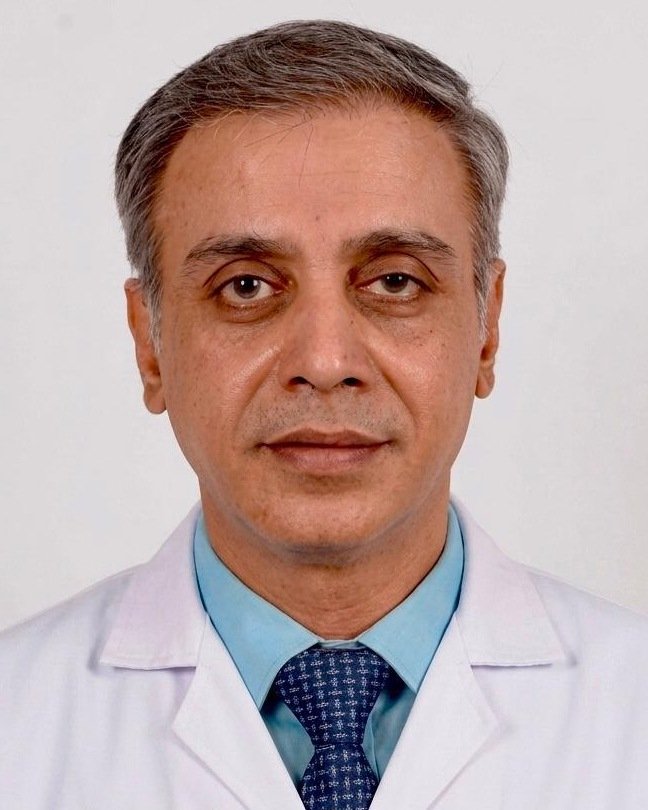
Written & medically reviewed by Dr Ameet Kumar, M.Ch (GI Surgery, AIIMS), FRCS (Glasgow), FAIS. Last updated: June 2026.
Facing stomach cancer? Let's look at your reports together
A stomach cancer diagnosis is hard enough without uncertainty about what comes next. Book a consultation with Dr Ameet Kumar — he'll review your scans and reports, explain your diagnosis clearly and honestly, and talk you through your best options, with the right plan built around you.