
APPROACH · ROBOTIC-ASSISTED SURGERY
The precision of a robot, guided by an experienced surgeon’s hands
Dr Ameet Kumar now offers da Vinci robotic-assisted surgery for a wide range of gastrointestinal, HPB and colorectal operations. It combines the benefits he has delivered through keyhole (laparoscopic) surgery for over two decades — smaller incisions, less pain, faster recovery — with an added layer of precision.
4,500+
Surgeries
25+
Years Experience
56
Publications
FRCS (Glasgow)
da Vinci Robotic Certified
What is robotic-assisted surgery?
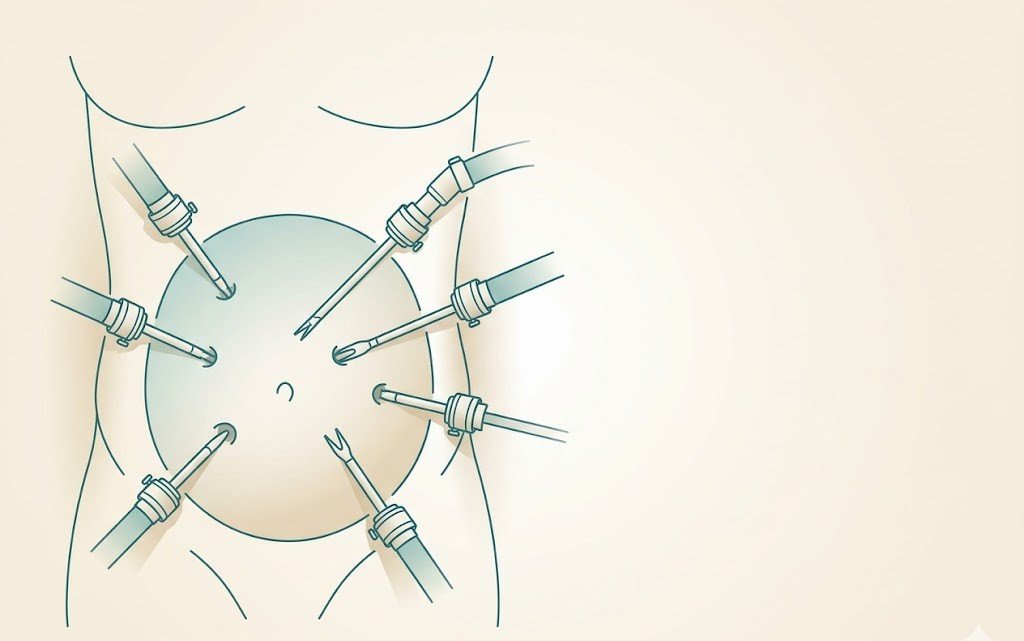
In robotic-assisted surgery, the surgeon sits at a console a few feet from the patient and controls miniaturised instruments inside the body using the da Vinci surgical system. The robot doesn’t operate on its own — every movement is directed, in real time, by the surgeon.
Think of it as the most advanced set of tools a surgeon can use: the system translates the surgeon’s hand movements into precise micro-movements inside the body, filtering out any natural hand tremor.
The da Vinci system gives the surgeon:
For the patient, this typically means less blood loss, less post-operative pain, smaller scars, a shorter hospital stay and a faster return to daily life — while the operation itself is just as thorough as its open or laparoscopic equivalent.
Operations available with robotic assistance
Dr Ameet Kumar is trained and certified on the da Vinci robotic surgical system (Intuitive Surgical, 2026) and offers robotic-assisted surgery across the full scope of his GI, HPB and colorectal practice. Robotic assistance is now available for:
Each of these operations continues to be available by conventional laparoscopic or open surgery as well. Dr Kumar assesses every patient individually and recommends the approach — robotic, laparoscopic or open — that offers the best outcome for that particular case.
Two decades of keyhole surgery — now enhanced by robotics
Robotic surgery isn’t a replacement for laparoscopic skill — it’s built on it. Dr Kumar has performed over 4,500 surgeries across 25 years, including pioneering some of the most complex laparoscopic operations in the Armed Forces Medical Services. He was among the first to perform a totally laparoscopic Whipple’s operation there, and his laparoscopic GI cancer techniques have been published and awarded internationally.
That deep laparoscopic foundation is exactly what makes robotic surgery effective in his hands: the same surgical judgement and tissue-handling skill, delivered through an instrument that adds a further degree of precision.
Is robotic surgery right for you?
Robotic-assisted surgery is suitable for most patients who would otherwise be candidates for laparoscopic surgery. The best approach depends on the specific operation, your anatomy, the stage of disease and other individual factors. Dr Kumar will explain your options clearly and recommend the approach that gives you the best chance of a good outcome — there’s never any pressure to choose one technique over another.
Common questions about robotic surgery
No. The da Vinci system is controlled entirely by Dr Kumar. Every cut, stitch and movement is directed by the surgeon in real time — the robot is a precision tool, not an autonomous machine.
Both are well-established minimally invasive approaches. Robotic surgery offers additional precision, particularly in tight spaces and during complex dissections. Dr Kumar will recommend whichever approach is best suited to your particular operation.
Robotic surgery uses small incisions similar to laparoscopic surgery — typically 8–12 mm each. Most patients have a handful of small marks rather than one long incision.
Recovery varies by operation, but robotic surgery generally allows a much faster return to normal activity than open surgery — often comparable to, or slightly better than, conventional laparoscopic surgery. Dr Kumar’s team will give you a clear recovery timeline before your operation.
Robotic surgery may cost somewhat more because of the specialised instruments. Many health insurers cover robotic procedures, and the team will help with cashless approvals and pre-authorisation. A shorter hospital stay and faster return to work often offset part of the difference.
Dr Kumar performs robotic surgery at Sakra World Hospital, Bengaluru, which has an established da Vinci robotic surgery programme across multiple specialties.
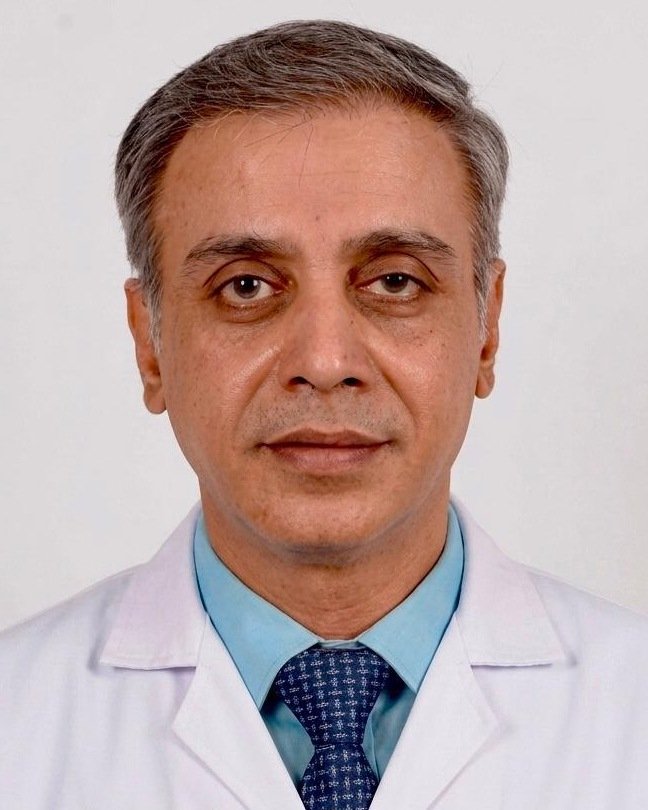
Written & medically reviewed by Dr Ameet Kumar, M.Ch (GI Surgery, AIIMS), FRCS (Glasgow), FAIS — GI, HPB, Laparoscopic & Robotic Surgeon. Last updated: September 2026.
Ready to find out if robotic surgery is right for you?
Book a consultation with Dr Ameet Kumar to discuss your condition and understand whether a robotic, laparoscopic or open approach is the best fit. You’ll get a clear, honest explanation — and never any pressure.