
COLON · RECTUM · SURGICAL ONCOLOGY
Colon & Rectal Cancer
A cancer diagnosis is frightening — but colon and rectal cancer is one of the most treatable cancers there is, especially when it’s caught early. Dr Ameet Kumar will explain exactly what you’re facing, in plain language, and guide you through every step of getting better.
4,500+
Surgeries
25+
Years Experience
56+
Publications
FRCS (Glasgow)
AIIMS-trained GI & Colorectal Surgeon
Understanding colorectal cancer
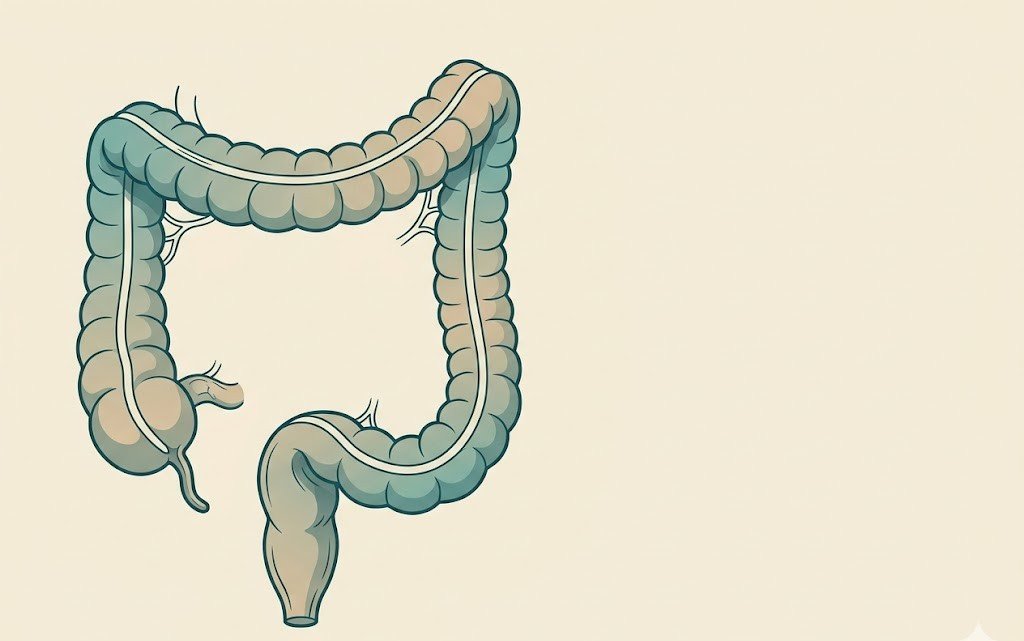
Colon and rectal cancer — together called colorectal cancer, or bowel cancer — is a growth that starts in the lining of the large bowel (the colon) or the rectum, the last part of the bowel before the back passage. Most of these cancers begin quietly, as small, harmless growths called polyps, which can slowly turn cancerous over many years. That slow start is actually good news: it’s part of why this cancer is so often catchable, treatable and curable.
Where the cancer sits matters. A cancer high up in the colon is treated a little differently from one low down in the rectum, and the rectum sits in a tight, delicate space close to the muscles that control going to the toilet. This is why experience counts — the goal is always to remove the cancer completely while protecting as much normal function as possible.
Take a breath. Many people walk into the clinic terrified, and walk out understanding that they have a clear, well-trodden path ahead of them. Dr Kumar’s job is to make that path as clear and as kind as it can be.
Signs worth checking — sooner rather than later
Colorectal cancer can be silent in its early stages, which is exactly why the warning signs are worth knowing. Please don’t wait or hope they pass. The symptoms below are very often caused by something simple and harmless — but they should always be checked, because finding a cancer early is what makes it so treatable:
Here is the honest, hopeful truth to hold onto: when colorectal cancer is caught early, it is very often curable. The single most important thing you can do is get checked promptly rather than putting it off. If any of these symptoms sound like you, please come in — getting it looked at early is always the right call, and most of the time it brings reassurance, not bad news.
What raises the risk — and why screening matters
There’s rarely a single cause, and having a risk factor doesn’t mean you’ll get the cancer — plenty of people with none do, and plenty with several never do. But some things are known to increase the risk:
A word on screening
Because colorectal cancer usually grows slowly from polyps, it is one of the few cancers that screening can catch early — or even prevent, by finding and removing polyps before they ever turn cancerous. If you’re over 50, have a family history, or have any of the symptoms above, it’s worth asking Dr Kumar whether a screening colonoscopy is right for you. A short, straightforward test can offer enormous peace of mind.
How colorectal cancer is diagnosed
Getting a clear, complete picture is the foundation of good treatment — and Dr Kumar will make sure nothing is rushed or guessed at. Diagnosis usually involves a few steps:
Putting all of this together gives the cancer’s stage — how advanced it is — and that’s what shapes the treatment plan. Dr Kumar will sit down with you and explain your results properly, so you understand what they mean for you, not just what they say on paper.
How colorectal cancer is treated
The good news is that colorectal cancer has well-established, effective treatments, and for most people surgery is the main, curative step — physically removing the cancer offers the best chance of a complete cure.
Crucially, these decisions are not made alone. Modern cancer care is multidisciplinary — your case is discussed by a team of specialists, including surgeons, cancer (medical oncology) and radiation doctors, radiologists and pathologists, so that the plan made for you reflects the best combined thinking. Dr Kumar will coordinate this care and make sure you always understand the why behind each recommendation.
Experienced, careful cancer surgery
Colorectal cancer surgery is one of Dr Ameet Kumar’s core areas. He is an AIIMS-trained GI and colorectal surgeon, FRCS (Glasgow), with over 4,500 surgeries across 25 years — and the kind of judgement that only comes from doing the demanding cases, again and again.
His usual route is laparoscopic (keyhole) surgery — the operation is done through a few small cuts rather than one large one, which for you can mean less pain, a smaller scar, less time in hospital and a quicker return to normal life, without cutting any corners on the thoroughness a cancer operation demands. He performs the full range of resections — colectomy, low and ultra-low anterior resection (LAR), abdominoperineal resection (APR) and intersphincteric resection (ISR) — and, where the situation calls for it, total proctocolectomy with pouch reconstruction.
For rectal cancer, a major priority is preserving the sphincter — the muscle that lets you control going to the toilet — so that, wherever it’s safe to do so, you can continue to pass motion naturally rather than needing a permanent bag. This isn’t possible in every case, and Dr Kumar will always be honest about that, but it is the goal he works towards.
What sets his cancer work apart is a focus on safety. Dr Kumar leads the ongoing FAIR trial — a randomised controlled trial using indocyanine green (ICG) fluorescence angiography to check the blood supply to the bowel during laparoscopic rectal cancer surgery. A good blood supply is essential for the new join (the anastomosis) to heal; a leak at that join is one of the most serious complications after this surgery. By showing the surgeon, in real time, where the blood is flowing well, this technique helps reduce the risk of an anastomotic leak — a genuine advance in making the operation safer. He has also published research showing that early surgery improves outcomes in severe ulcerative colitis that hasn’t responded to steroids (International Journal of Colorectal Disease).
da Vinci Robotic Surgery
Now also available with robotic assistance
Dr Kumar now also offers colorectal cancer surgery using the da Vinci robotic surgical system. Its 3D magnified vision and wristed instruments are especially helpful deep in the narrow pelvis during rectal cancer surgery, where preserving nerves and the sphincter matters most. Open, laparoscopic and robotic approaches are all available — Dr Kumar will recommend whichever gives you the safest, most complete result for your case.
Recovery, outcomes — and the truth about the “bag”
Recovery after keyhole colorectal cancer surgery is usually quicker and gentler than many people fear. Most patients are up and walking within a day or two, eating again soon after, and home within several days, with the team guiding you carefully through each stage. You’ll have proper pain relief, clear instructions, and steady support afterwards — including any chemotherapy or follow-up scans your plan calls for, plus regular check-ups to keep you well over the long term.
Let’s address the worry that frightens people most: the stoma, or “bag”
For the great majority of people, a permanent bag is not needed — most operations are done so the bowel is re-joined and you pass motion in the normal way. When a stoma is used, it’s most often a temporary one, made simply to protect a fresh join while it heals, and reversed with a smaller operation a few months later. A permanent stoma is only necessary in specific situations, usually when a cancer sits very low in the rectum and removing it safely means the sphincter can’t be preserved. If there is any chance you might need one — temporary or permanent — Dr Kumar will explain it fully and honestly before your surgery, so nothing ever comes as a surprise. And if you do need one, life with a well-managed stoma is far more normal than most people imagine.
The outcomes message is a hopeful one: caught early and treated well, colorectal cancer is very often cured, and people go on to live full, normal lives.
Common questions
For most people, no. The great majority of colorectal cancer operations are done so the bowel is re-joined and you pass motion in the usual way. When a stoma is needed, it’s most often temporary — made to protect a fresh join while it heals, and reversed later. A permanent stoma is only required in certain cases, usually a cancer very low in the rectum. Dr Kumar always aims to preserve the sphincter where it’s safe, and will explain honestly, before surgery, whether a stoma might be needed — so nothing comes as a surprise.
Yes. Laparoscopic surgery is a well-established, proven approach for colorectal cancer, and it’s Dr Kumar’s usual route. The cancer and its lymph nodes are removed just as thoroughly as in open surgery — the difference is the smaller cuts, which usually mean less pain, a smaller scar and a faster recovery. Where open surgery is genuinely the safer choice for your situation, he’ll tell you so plainly and explain why.
No — and please don’t panic if you’ve seen some. Far more often, bleeding is caused by something simple and harmless like piles or a small fissure. But bleeding should never just be ignored, because occasionally it can be a sign of something more serious. The right thing to do is always the same: get it checked, so the cause can be found and your mind put at rest.
The FAIR trial is a randomised controlled study led by Dr Kumar, looking at how to make rectal cancer surgery safer. It uses a special dye called indocyanine green (ICG), which glows under fluorescent light, to show the surgeon in real time whether the bowel has a good blood supply where it’s being re-joined. Good blood flow helps the join heal properly, so this technique aims to reduce the risk of a leak at the join — one of the more serious complications of this operation.
Very often, yes — especially when it’s caught early. Colorectal cancer is one of the most treatable cancers there is, and for most people surgery offers a genuine chance of a complete cure, sometimes alongside chemotherapy or radiotherapy. The single biggest factor is catching it early, which is why getting symptoms checked promptly matters so much.
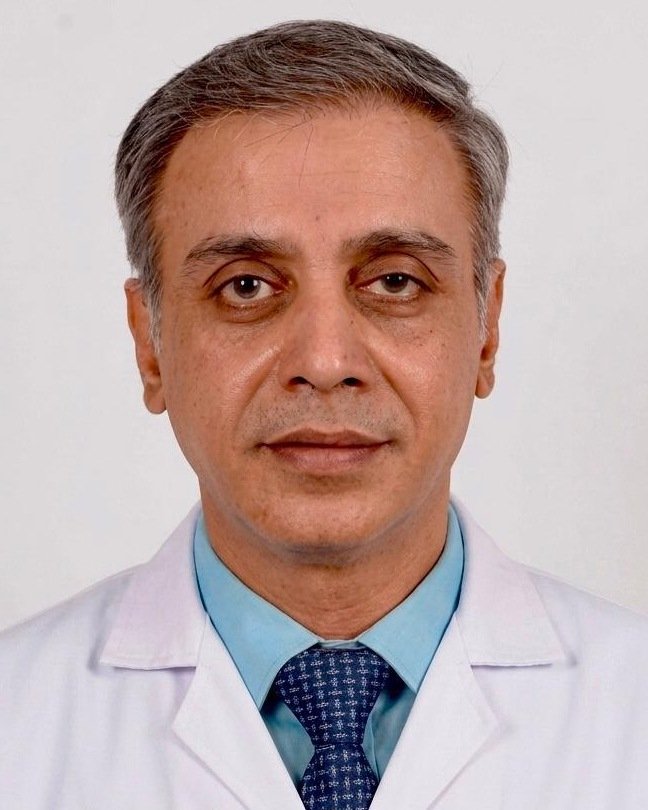
Written & medically reviewed by Dr Ameet Kumar, M.Ch (GI Surgery, AIIMS), FRCS (Glasgow), FAIS. Last updated: June 2026.
Let’s face this together, with a clear plan
A cancer diagnosis is one of the hardest things to hear — but you don’t have to navigate it alone, and you have more reasons for hope than you might think. Bring your reports and scans to Dr Ameet Kumar for an honest, experienced read on what you’re facing and the best way forward.
Or call 9606028116