
PILES · FISSURE · FISTULA
Anorectal problems — common, treatable, and nothing to be embarrassed about
Piles, fissures and fistula are some of the most common problems people quietly put up with for years. They’re also among the easiest to put right — often with quick, gentle day-care treatment. With Dr Ameet Kumar — AIIMS-trained, FRCS (Glasgow), with over 4,500 surgeries — you can talk about it openly, be examined with full privacy, and find the kindest way forward.
4,500+
Surgeries
25+
Years Experience
56+
Publications
FRCS (Glasgow)
AIIMS-trained GI & HPB Surgeon
Three different problems — here’s the difference
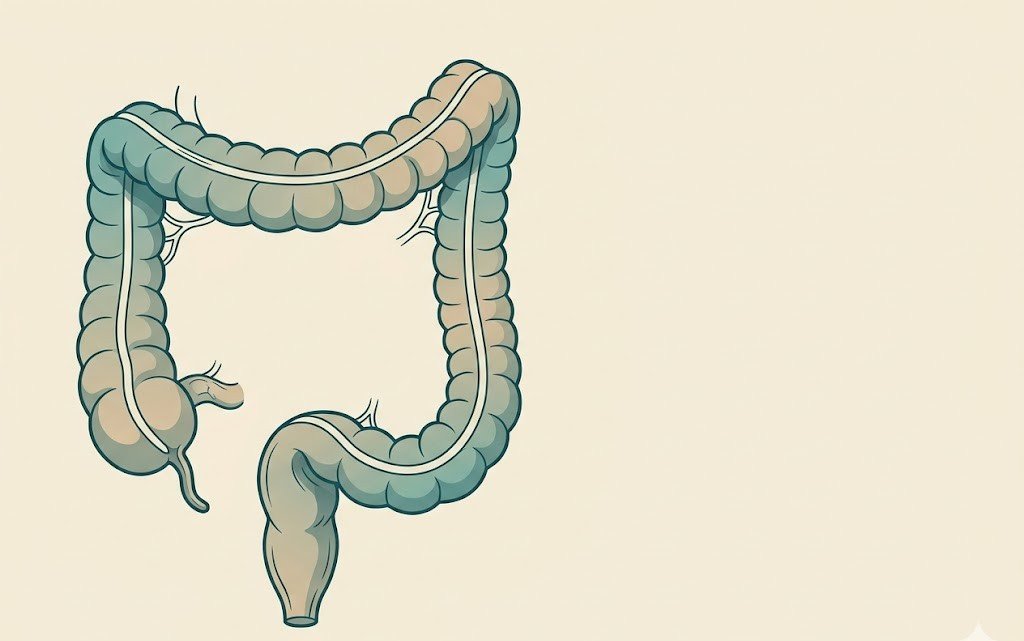
These three conditions affect the same small area — the back passage — and people often lump them together. But they’re different, and telling them apart matters, because each is treated in its own way. The good news is the same for all three: they’re common, and they’re very treatable.
Dr Kumar treats all three — and, just as importantly, makes sure you’ve got the right diagnosis before any treatment begins.
What to look out for — and when bleeding must be checked
Common symptoms include bright-red bleeding when you pass motion, pain or sharp stinging while going, itching or irritation, a lump near the back passage, or ongoing discharge that stains your underwear. Many people have a mix of these, and most of the time the cause is something simple and treatable like piles or a fissure.
Here’s the important part, said plainly: bleeding from the back passage should always be checked by a doctor — never just self-treated with a cream from the chemist. Most bleeding is harmless, but occasionally it can be the first sign of something more serious, and the only way to be sure is to be examined. Getting it checked early is reassuring, quick, and almost always ends in good news.
Please see a doctor sooner rather than later if you notice any of these:
None of this is meant to frighten you. It’s simply why coming in is always the right move — so the cause can be found and your mind put at rest.
Why these problems happen
Most anorectal problems trace back to the same handful of everyday causes — which is also why simple changes can help so much:
None of this is your fault, and none of it makes the problem any less treatable. Understanding the cause simply helps Dr Kumar fix it and stop it coming back.
A quick, private check that puts your mind at rest
Working out what’s going on is usually quick and straightforward. Dr Kumar will listen to your symptoms, then gently examine the area. In many cases he’ll use a proctoscope — a short, smooth instrument that lets him see inside the back passage clearly. It takes only a minute or two.
We know this is the part people dread most. It needn’t be. The examination is done with full privacy and dignity, you’re covered and comfortable throughout, and it’s far less uncomfortable than most people fear. Where bleeding or other red flags suggest it’s wise, Dr Kumar may recommend a colonoscopy to look higher up and rule out anything more serious — and he’ll explain exactly why, so it never feels alarming.
The whole point of getting checked is reassurance: in most cases you’ll walk out with a clear diagnosis and a simple plan.
From simple measures to gentle day-care procedures
Treatment almost always starts with the least invasive option that can genuinely solve the problem — and for many people, that’s all it takes.
Lifestyle and diet first
A great many piles and fissures settle with simple changes: more fibre, plenty of water, not straining or sitting too long on the toilet, and medicines or creams to soften stools, ease pain and calm the area. For fissures in particular, the right ointments can heal the tear without any surgery at all.
Office and day-care procedures
When simple measures aren’t enough, there are quick, gentle procedures — many done in the clinic or as day-care, with little or no downtime. These include modern techniques for piles such as laser and stapled (MIPH) treatment, which are far gentler than the operations many people still dread.
When surgery is needed
Fistulas usually need a surgical procedure to heal properly, and a small number of stubborn piles or fissures do too. Even then, today’s surgery is mostly day-care, with sphincter-saving and laser methods designed for less pain and a quicker recovery. Dr Kumar will only ever advise surgery when it’s truly the right thing for you — and he’ll explain why, honestly.
Gentle, modern care — tailored to you
Anorectal surgery is one of Dr Kumar’s core areas, and he brings the full range of modern, gentle options to it. He’ll always begin with the simplest approach that can solve your problem, and reach for a procedure only when it’s genuinely needed.
This page sits within Dr Kumar’s wider Colorectal & Anorectal Surgery practice — so if your problem turns out to need more, you’re already with a surgeon who handles the full spectrum, from the simplest day-care procedure to complex bowel surgery. Behind all of it: AIIMS-trained, FRCS (Glasgow), over 4,500 surgeries across 25 years.
Related: Colorectal & Anorectal Surgery (/specialties/colorectal-anorectal/) | Other conditions: Gallstones (/conditions/gallstones/) | Hernia (/conditions/hernia/) | Book a consultation (/contact/) | Second opinion (/second-opinion/)
Day-care treatment, back to normal quickly
For most people with piles, fissure or fistula, treatment is day-care — you come in, have your gentle procedure, and usually go home the same day. Modern laser and stapled techniques mean far less pain and a much quicker recovery than the older operations people remember.
Many patients are back to desk work within a few days, with simple advice to keep things comfortable while you heal: a high-fibre diet, plenty of water, stool softeners, warm sitz baths and the pain relief you’ll be given. Dr Kumar will tell you honestly what to expect — including any discomfort — and you’ll have clear instructions and a number to call if you need it. Outcomes for these conditions are very good, and most people only wish they’d come in sooner.
Common questions
Most of the time, no — bleeding is one of the most common things we see, and it’s usually something simple and treatable like piles or a small fissure. So please don’t panic. That said, bleeding should always be checked by a doctor rather than self-treated, because occasionally it can be a sign of something more serious, and the only way to be sure is to be examined. Getting it checked early is quick, reassuring, and almost always ends in good news.
Far less than you’d think, on both counts. Modern day-care techniques — laser, stapled (MIPH) and sphincter-saving methods — are designed to be gentle, with much less pain and faster healing than the older surgeries people remember, and you’ll have proper pain relief throughout. As for embarrassment: these are some of the most common conditions we see, the consultation is fully private and discreet, and there’s nothing you can say that we haven’t gently helped someone with before.
Very often, yes. A great many piles settle with simple measures first — more fibre, plenty of water, not straining, and creams or medicines to ease things. When that’s not enough, there are quick office or day-care procedures before surgery is ever considered. Dr Kumar always starts with the least invasive option that can genuinely solve the problem.
For most people, it’s day-care: you come in, have your gentle procedure, and usually go home the same day. Many patients are back to desk work within a few days. If your situation needs anything more, Dr Kumar will explain it fully and honestly beforehand, so nothing comes as a surprise.
It’s always worth being checked. Creams can ease symptoms, but they can’t tell you what’s actually causing the bleeding or discomfort — and the diagnosis is what matters most. A quick, private examination gives you a clear answer and the right treatment, rather than guessing. In most cases you’ll walk out reassured.
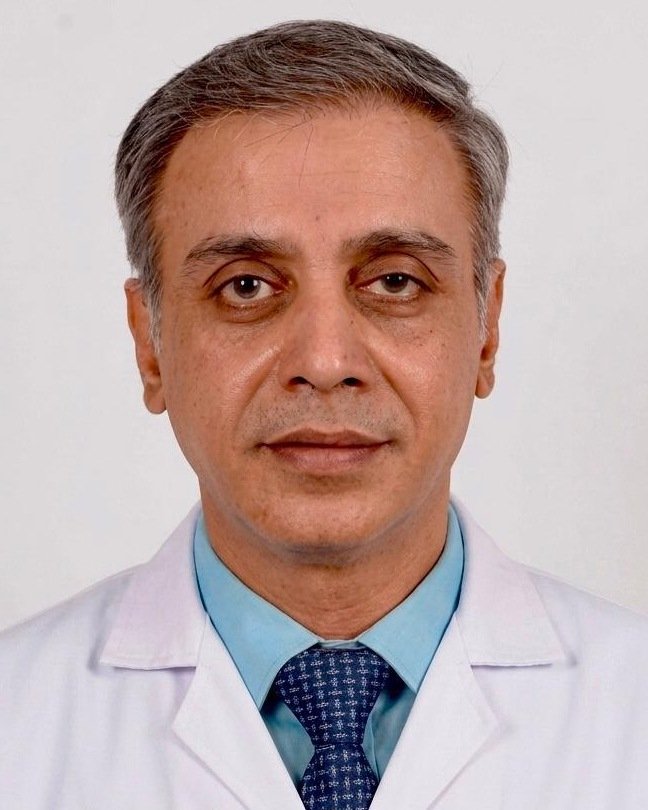
Written & medically reviewed by Dr Ameet Kumar, M.Ch (GI Surgery, AIIMS), FRCS (Glasgow), FAIS. Last updated: June 2026.
It’s easier than you think to put this right
Whatever’s troubling you — a bit of bleeding, nagging pain, or a problem you’ve put off for years — you can talk it through with Dr Ameet Kumar’s team in full confidence. Book a consultation, message us on WhatsApp, or simply call.