
PROCEDURE · LAPAROSCOPIC HERNIA REPAIR
Laparoscopic Hernia Repair in Bangalore — keyhole surgery that gets you back on your feet fast
Also called keyhole hernia surgery, this is a modern, minimally invasive way to fix a hernia through a few tiny cuts. Dr Ameet Kumar uses the TEP, eTEP and TAPP techniques to place a soft mesh from the inside — so you get less pain, smaller scars and a quicker return to normal life.
4,500+
Surgeries
25+
Years Experience
56
Publications
FRCS (Glasgow)
AIIMS-trained GI & HPB Surgeon
What keyhole hernia repair is — in plain words
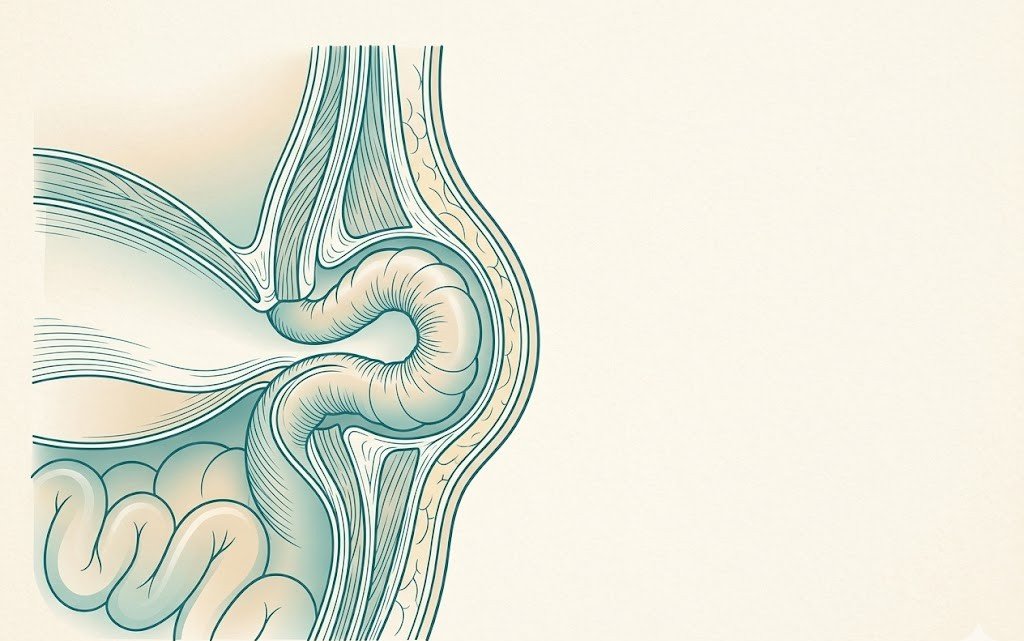
A hernia is a gap or weak spot in the muscle wall through which a bit of fat or bowel pushes out, usually as a soft lump in the groin or tummy. It won’t heal on its own, and the only reliable cure is to close that gap and reinforce it.
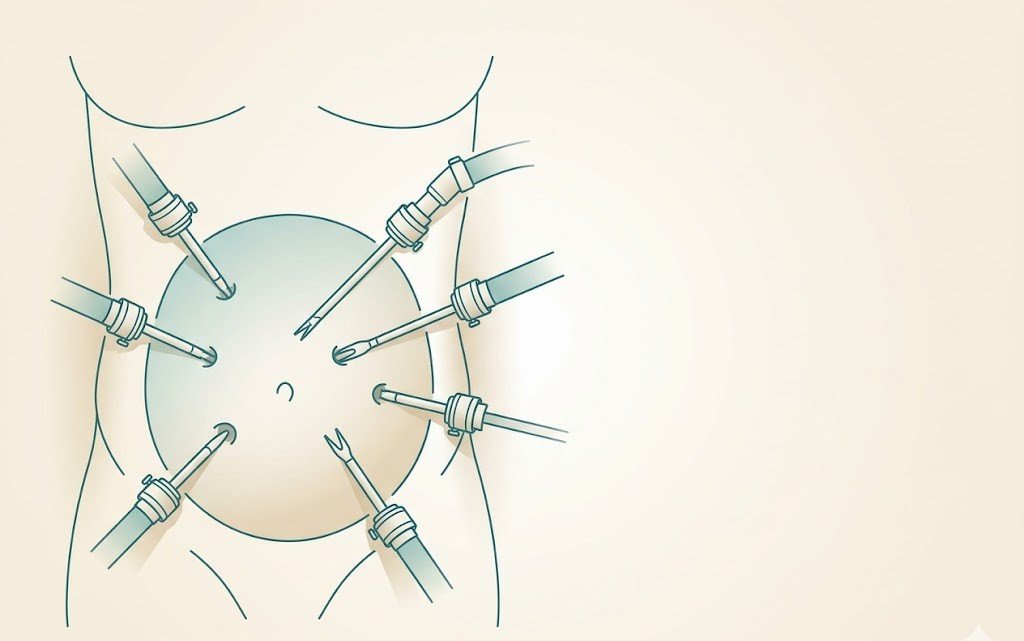
In laparoscopic (keyhole) repair, Dr Kumar makes a few small cuts instead of one large one. A thin telescope with a camera shows the inside of the body on a screen, and the repair is done with fine instruments through the other tiny openings. A soft mesh is placed behind the muscle wall, covering the weak spot from the inside — the strongest place to put it. Your own tissue then grows into the mesh over a few weeks, sealing the gap for good.
Two main keyhole routes — same excellent result
Which route suits you best comes down to your hernia, your history and Dr Kumar’s judgement on the day — both are excellent in experienced hands.
What this operation is used for
Keyhole repair is especially good for hernias of the groin, including:
For belly-button, after-surgery and large abdominal-wall hernias, Dr Kumar will advise whether a keyhole, open or combined approach is right for you. To understand hernias in general, see Hernia; to see the full range of repair options, see Hernia Surgery.
Why have it done here
Hernia repair looks routine, but doing it well — with a low chance of it coming back and the least pain afterwards — depends on experience and judgement. Dr Ameet Kumar offers the full range of keyhole groin repair (TEP, eTEP and TAPP), alongside open mesh repair and complex ventral or incisional repair with component separation, so the technique is always chosen to fit your hernia rather than the other way round.
A few things set this practice apart
Behind all of it: AIIMS training, the FRCS (Glasgow), and over 4,500 surgeries across 25+ years. When you choose your surgeon, this is the depth you want behind the operation.
da Vinci Robotic Surgery
Now also available with robotic assistance
Dr Kumar now also offers hernia repair using the da Vinci robotic surgical system. Its 3D vision and wristed instruments improve the precision of mesh placement — particularly helpful for complex ventral, incisional and recurrent hernias — with the potential for less pain and a quicker return to normal life. Open, laparoscopic and robotic approaches are all available — Dr Kumar will recommend whichever gives you the safest, most complete result for your case.
Your operation, from start to finish
Before — getting ready
Dr Kumar examines you, confirms the diagnosis (sometimes with a scan), and explains which keyhole route suits you. You’ll have routine blood tests and a fitness check. You’ll be told when to stop eating and drinking, and which regular medicines to pause or continue. Most patients come in on the morning of surgery.
The keyhole operation — day-care or short stay
The repair is done under general anaesthetic, so you’re asleep and feel nothing. Through a few small cuts, Dr Kumar places the mesh behind the muscle wall and secures it gently. A groin repair usually takes under an hour; both sides take a little longer. There are no large wounds to heal — just a few small dressings. Many patients go home the same day, or stay one night.
Recovery — back to yourself
You’ll be up and walking within hours. Mild soreness or a feeling of fullness in the groin is normal for a few days and settles with simple painkillers. You’ll get clear, personal instructions on wound care, activity and when to follow up — there’s no need to guess.
The honest picture — benefits and risks
Benefits of keyhole repair
Small risks — discussed openly
The mesh is a soft, well-tested material your body grows into; serious mesh problems are uncommon, and choosing the right type and placement keeps that risk low. There is always a small chance of the hernia returning, of bruising, fluid collection or temporary numbness — all usually minor and short-lived. And keyhole isn’t automatically right for everyone: for certain hernias, some previous operations or particular health conditions, an open mesh repair is the safer, more sensible choice and gives an excellent, durable result. Dr Kumar will always tell you plainly which approach fits you best.
Roughly how recovery goes
Every patient is different, but for a keyhole groin repair the path usually looks like this:
Larger, open or both-sided repairs take a little longer. Whatever your case, you’ll be given a clear, personal recovery plan and a follow-up — so you always know what’s safe and when.
Cost and insurance
The cost of a hernia repair depends on the type of hernia, whether one or both sides are done, the mesh used and your length of stay. Laparoscopic hernia repair is a recognised surgical procedure and is covered by most health-insurance and cashless mediclaim plans at Sakra World Hospital, Bengaluru. Dr Kumar’s team will give you a clear, written estimate before surgery and help you with insurance approvals and paperwork — so there are no surprises. For a personalised quote, just ask the team on a call or on WhatsApp.
Common questions about keyhole hernia repair
Yes. Mesh has been used in hernia repair for decades and is the standard of care worldwide, because it dramatically lowers the chance of the hernia coming back compared with stitching the gap alone. It’s a soft surgical material your own tissue grows into over a few weeks. Serious mesh problems are uncommon, and choosing the right type and placement — which comes down to the surgeon’s experience — keeps that risk low.
A properly done keyhole mesh repair has a low recurrence rate. The biggest factors are the surgeon’s experience, the right technique for your hernia and how well the mesh is placed and secured. Dr Kumar’s own research on mesh fixation in TEP repair, and his large laparoscopic series, are focused on exactly this — durable repairs with the least pain.
For most groin hernias, keyhole repair means less pain and a faster recovery, and it’s the clear winner when both sides need fixing. But it isn’t right for everyone — for certain hernias, some past operations or particular health conditions, an open mesh repair is safer and just as durable. Dr Kumar will examine you and recommend the approach that genuinely suits your hernia and your body, and explain why.
Light activity and walking start straight away. Most people are back to desk work within about a week. Heavier lifting, the gym and strenuous exercise are usually fine by around four to six weeks, once the mesh has settled in. You’ll get a clear, personal plan — there’s no need to guess.
Yes. One of the real strengths of the keyhole approach is repairing hernias on both sides of the groin in a single operation, through the same small cuts — so you recover once, not twice.
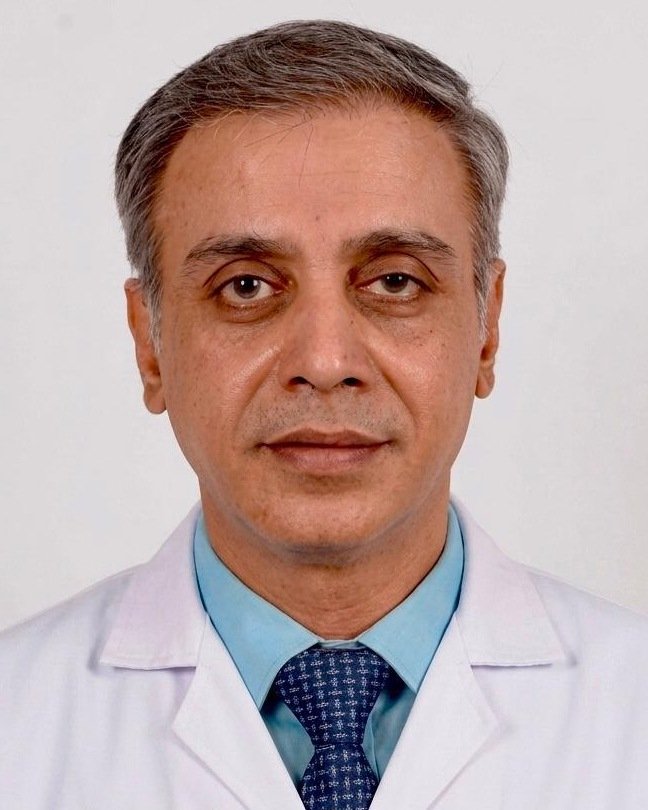
Written & medically reviewed by Dr Ameet Kumar, M.Ch (GI Surgery, AIIMS), FRCS (Glasgow), FAIS. Last updated: June 2026.
Get a clear answer about your hernia
Book a consultation with Dr Ameet Kumar, or message his team on WhatsApp. He’ll examine you, explain whether keyhole (TEP/TAPP) or open repair suits you best, and answer every question honestly — so you can decide with confidence.