
Colon · Rectum · Anus
Colorectal & Anorectal Surgery
From bowel cancer to piles, fissures and fistula — treated with care, discretion and a gentle hand. Whatever’s troubling you, you can talk to Dr Kumar honestly, and we’ll find the kindest way to put it right.
4,500+
Surgeries
25+
Years Experience
56
Publications
FRCS (Glasgow)
AIIMS-trained GI Surgeon
Care for the colon, rectum and anus — serious or simple
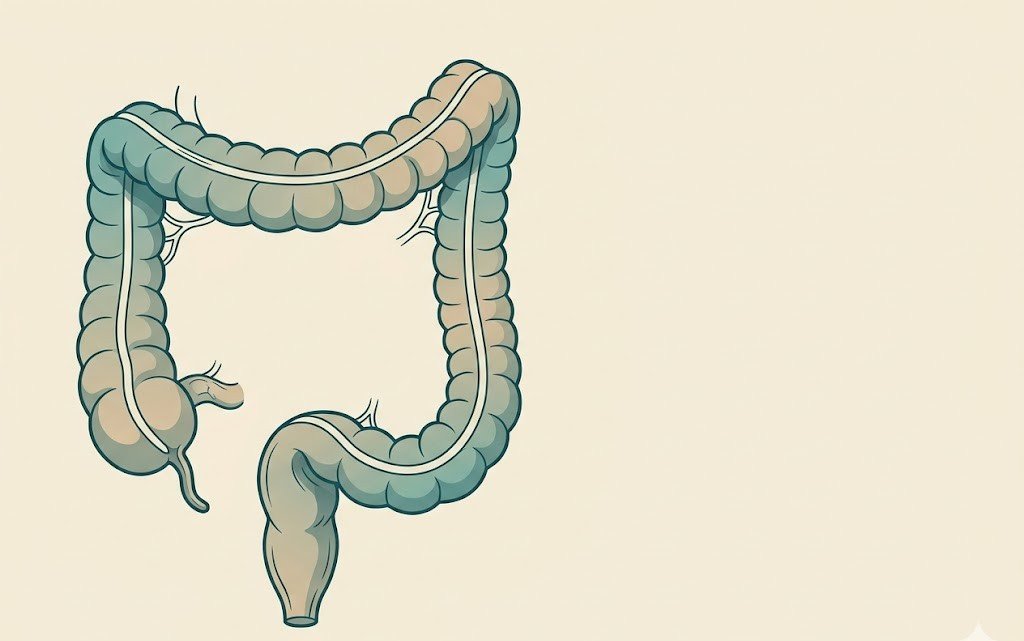
This part of surgery covers the lower digestive tract: the colon (large bowel), the rectum and the anus. It spans two very different kinds of problem, and Dr Kumar looks after both.
On one side are the serious conditions — colon and rectal cancer, inflammatory bowel disease — where careful, well-planned surgery can be life-saving. On the other are the common, painful and often embarrassing problems — piles, fissures, fistula — that millions of people quietly put up with for years.
Here’s what we’d gently say about that last group: these are some of the most common conditions we see, there is nothing to be ashamed of, and almost all of them are very treatable — often with quick, gentle day-care procedures. The hardest part is usually just coming in. Once you do, you’re in experienced, unhurried hands.
Conditions we treat
Procedures we offer
For colon & rectal cancer
For rectal prolapse
For common anorectal problems (mostly day-care)
Experience you can lean on
Colorectal surgery is one of Dr Ameet Kumar’s core areas, and he brings the full range of modern treatment to it — from the most common day-care procedures to the most demanding cancer operations.
His cancer work covers the whole spectrum: laparoscopic (keyhole) and da Vinci robotic colorectal cancer resections — total and subtotal colectomy, hemicolectomy, low and ultra-low anterior resection, APR and intersphincteric resection — as well as total proctocolectomy with pouch reconstruction for the most complex cases. He also performs rectopexy (ventral, mesh and suture) for rectal prolapse, and stoma creation and closure where needed. For the common anorectal conditions, he offers haemorrhoidectomy (stapled and open), fistulectomy, sphincterotomy for fissures, and pilonidal sinus surgery.
What sets his cancer work apart is a focus on safety. Dr Kumar leads the ongoing FAIR trial — a randomised controlled trial using indocyanine green (ICG) fluorescence to check the blood supply to the bowel during laparoscopic rectal cancer surgery, helping reduce the risk of join leaks after the operation. He has also published research showing that early surgery improves outcomes in severe ulcerative colitis that hasn’t responded to steroids (International Journal of Colorectal Disease).
Behind all of this sits the same foundation as the rest of his practice: AIIMS-trained, FRCS (Glasgow), da Vinci robotic certified (Intuitive Surgical, 2026), and over 4,500 surgeries across 25 years. Robotic assistance is particularly valuable for complex rectal cancer resections, where 3D vision and wristed instruments improve access in the narrow pelvis. Learn about robotic surgery →
Gentler treatment, faster recovery
For colon and rectal cancer, Dr Kumar’s usual route is laparoscopic (keyhole) or da Vinci robotic surgery — the operation is done through a few small cuts rather than one large one. For you, that can mean less pain, a smaller scar, less time in hospital and a quicker return to normal life — without cutting any corners on the thoroughness a cancer operation demands. Where open surgery is genuinely the safer choice for your situation, he’ll tell you so plainly and explain why.
For the common anorectal problems — piles, fissure, fistula — most patients are treated as day-care: you come in, have your gentle procedure, and usually go home the same day. Modern laser and stapled techniques mean far less pain and a much quicker recovery than the old operations many people still dread.
We’ll always be honest with you about what to expect, including the recovery and any discomfort. No false promises — just the clearest, kindest path through.
Common questions
Bleeding is one of the most common things we see, and most often it’s something simple and treatable like piles or a small fissure. So please don’t panic, and please don’t feel embarrassed. That said, bleeding should never just be ignored, because occasionally it can be a sign of something more serious. The right thing to do is always the same: come and get it checked, so we can find the cause and put your mind at rest.
For most people, the answer is no. The great majority of colorectal operations are done so that you continue to pass motion in the normal way. A stoma (a bag) is only needed in certain situations — usually to protect a fresh join while it heals, and very often it’s temporary and can be reversed later. If there’s any chance you might need one, Dr Kumar will explain it fully and honestly before your surgery, so nothing comes as a surprise.
Far less than they used to be. Modern day-care techniques — laser, stapled (MIPH) and sphincter-saving methods — are designed to be gentle, with much less pain and faster healing than the older surgeries people remember. You’ll have proper pain relief and clear instructions for recovery at home.
Many anorectal problems improve with simple measures first — diet, fibre, fluids, creams and good toilet habits — and surgery is only advised when it’s truly the right thing for you. Dr Kumar will always start with the least invasive option that can genuinely solve the problem, and explain your choices honestly.
Completely. These are sensitive, personal matters, and you’ll be examined and treated with full dignity, privacy and respect. You can speak openly — there’s nothing you can say that we haven’t gently helped someone with before.
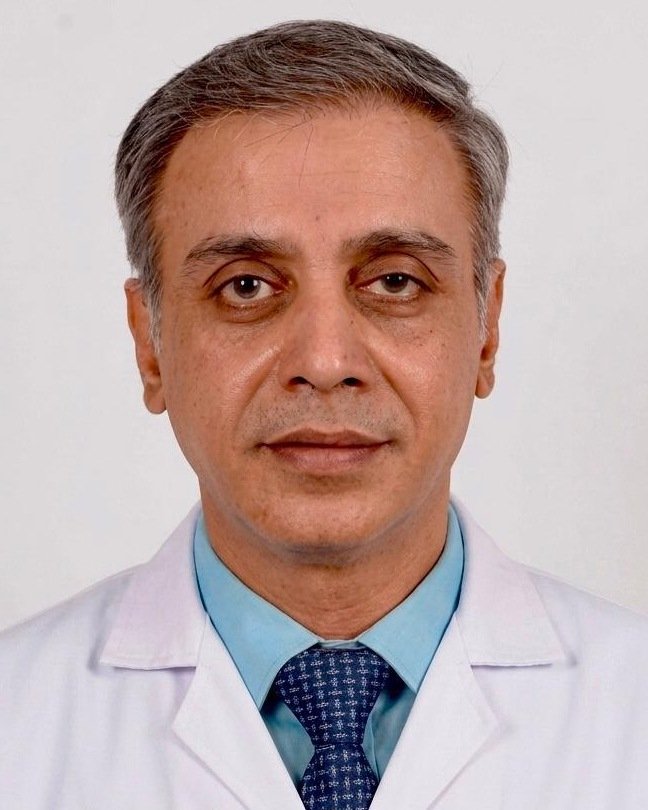
Written & medically reviewed by Dr Ameet Kumar, M.Ch (GI Surgery, AIIMS), FRCS (Glasgow), FAIS — Gastrointestinal, HPB, Laparoscopic & Robotic Surgeon. Last updated: September 2026.
It’s easier than you think to put this right
Whatever’s troubling you — from a worrying scan to a problem you’ve put off for years — you can talk it through with Dr Ameet Kumar’s team in confidence. Book a consultation, message us on WhatsApp, or simply call.