
APPROACH · HOW DR KUMAR OPERATES
Keyhole and robotic surgery — for nearly every operation he does
From a simple gallbladder or hernia to complex cancer and pancreatic surgery, most of Dr Ameet Kumar’s operations are done through a few tiny cuts — laparoscopically or with the da Vinci robotic system. Less pain, smaller scars and a faster recovery, without compromising on the operation itself.
4,500+
Surgeries
25+
Years Experience
56
Publications
FRCS (Glasgow)
AIIMS-trained GI & HPB Surgeon
What is laparoscopic (keyhole) surgery?
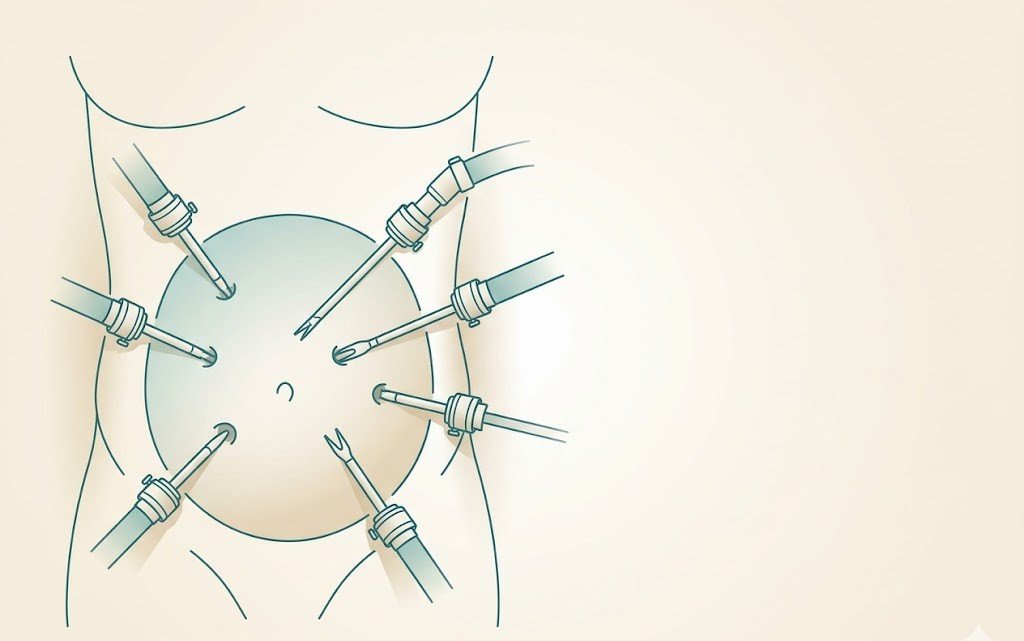
In traditional open surgery, the surgeon makes one long cut to reach the organ. Laparoscopic surgery — also called keyhole or minimally invasive surgery — does the same operation through a few small cuts instead, each usually less than a centimetre.
A slim telescope with a camera (the laparoscope) is passed through one of these cuts. It sends a magnified, high-definition view of the inside of your abdomen onto a screen, and Dr Kumar operates using fine instruments through the other small openings. He sees more, more clearly — and you’re left with far less of a wound.
For most people, that means real, everyday differences:
Laparoscopic surgery isn’t a lighter version of the operation — it’s the same operation, done through smaller openings by a surgeon trained to do it that way. The thoroughness, the safety and the result come first; the keyhole approach is how Dr Kumar delivers them whenever it’s right for you.
Da Vinci robotic-assisted surgery
Building on his established laparoscopic expertise, Dr Kumar now also offers da Vinci robotic-assisted surgery for eligible GI, HPB and colorectal operations.
The surgeon sits at a console a few feet from you and guides tiny instruments inside the body with hand and foot controls. The robot never acts on its own — every movement is Dr Kumar’s.
The da Vinci system gives the surgeon:
For you, this can mean even smaller incisions, less blood loss, greater precision around delicate structures and a faster recovery — especially valuable for complex operations on the pancreas, bile ducts, stomach, food-pipe, liver and rectum. Robotic surgery is not a replacement for laparoscopic surgery; it’s an additional option, and Dr Kumar will recommend the approach that’s right for your case.
Operations Dr Kumar performs laparoscopically
In experienced hands, the keyhole approach reaches almost every operation in gastrointestinal surgery — not just the simple ones. Across his practice, Dr Kumar uses minimally invasive surgery for:
Gallbladder Surgery
Laparoscopic gallbladder removal for stones — one of the most common keyhole operations.
Hernia Repair
Groin, belly-button and incisional hernias repaired by keyhole (TEP / TAPP / eTEP).
GI Cancer Surgery
Stomach, colon, rectal and food-pipe cancers operated minimally invasively, with the same cancer-clearance standards.
HPB Surgery
Pancreas, liver and bile-duct surgery, including advanced keyhole procedures most centres still do open.
Bariatric Surgery
Sleeve gastrectomy and gastric bypass for weight loss, done laparoscopically.
Colorectal Surgery
Bowel resections for cancer and benign disease, and rectal prolapse repair, done by keyhole.
Each operation is fully available today, done by advanced laparoscopic or da Vinci robotic surgery — and open only where open is genuinely the safer choice for you.
A surgeon who helped bring keyhole surgery to harder operations
Anyone can offer keyhole surgery for a gallbladder. The difference is a surgeon who has taken the minimally invasive approach into the most demanding operations in the abdomen — and helped pioneer it where it hadn’t been done before.
When open surgery is the safer choice — and how we decide
Here’s the honest answer: keyhole surgery is the right approach for most operations, most of the time — but not always, and not for everyone. A good surgeon knows when not to use it.
Sometimes the safest thing is to start laparoscopically and switch to an open operation partway through — for example if there’s heavy scarring from previous surgery, unexpected bleeding, severe inflammation, or anatomy that’s difficult to see clearly. This isn’t a complication or a failure; it’s a deliberate, careful decision to keep you safe. Very large or advanced tumours, certain emergencies, and some specific medical conditions can also make open surgery the better first choice.
What matters is that the decision is individual to you — based on your scans, your history and what’s found during the operation, not on habit. When you meet Dr Kumar, he’ll tell you plainly which approach he recommends for your case and why.
Common questions about keyhole surgery
Yes. Laparoscopic surgery is well-established and, for most operations, is the standard approach worldwide. In experienced hands it can mean less pain, fewer wound problems and a quicker recovery than open surgery — for the same operation. Safety comes down to the surgeon’s training and judgement: knowing when keyhole is right, and when open is safer. Dr Kumar has performed thousands of operations, many of them laparoscopically, including some of the most complex.
You’ll have a few small scars — usually less than a centimetre each — instead of one long one. Over time they fade and become hard to notice. For most patients this is a big improvement over a traditional open-surgery scar, both in appearance and in how it heals.
It depends on the operation, but recovery is generally faster than with open surgery. For common keyhole procedures like gallbladder or hernia surgery, many people go home within a day or two and return to a desk job in one to two weeks. Bigger operations need longer, but even then the keyhole approach often shortens the hospital stay and speeds recovery. Dr Kumar will give you a realistic timeline for your specific operation.
The approach itself can use specialised equipment, but a shorter hospital stay, less time off work and fewer wound complications often balance that out. Costs depend on the operation and your insurance — the team will explain what to expect for your case before you decide.
Yes — in the right hands. Dr Kumar was among the first in the Armed Forces Medical Services to perform a totally laparoscopic Whipple’s procedure, and routinely uses minimally invasive surgery for stomach, colon, rectal and food-pipe cancers, applying exactly the same cancer-clearance standards as open surgery. Where a case is genuinely better suited to an open operation, he’ll tell you so.
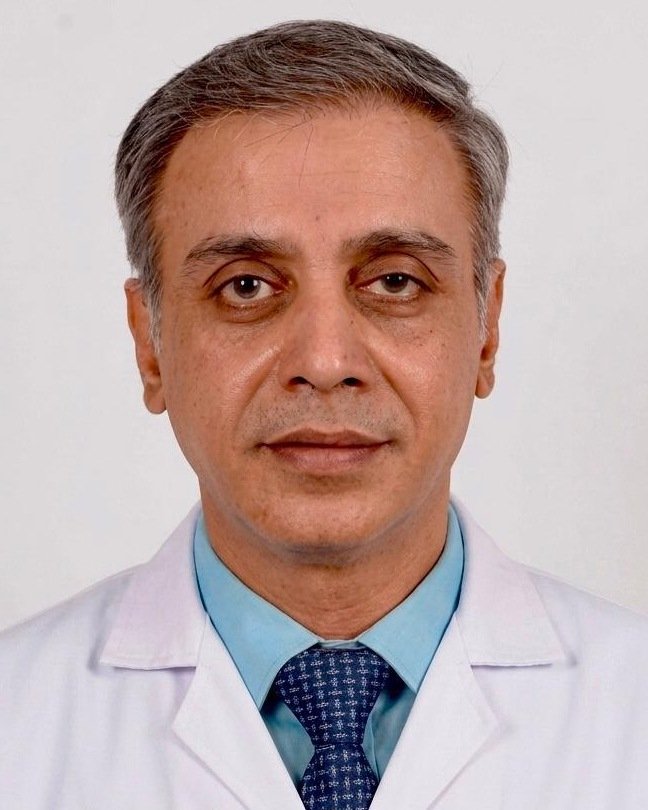
Written & medically reviewed by Dr Ameet Kumar, M.Ch (GI Surgery, AIIMS), FRCS (Glasgow), FAIS — GI, HPB, Laparoscopic & Robotic Surgeon. Last updated: September 2026.
Want to know if keyhole surgery is an option for you?
Book a consultation with Dr Ameet Kumar, or message his team on WhatsApp. He’ll look at your reports, explain whether your operation can be done by keyhole or robotic surgery, and answer your questions honestly.